Sidebar


Researcher


TANG Shiwen

Researcher

Tang Shiwen2

Dr. TANG Shiwen is a research fellow in the Department of Electrical and Computer Engineering, National University of Singapore. She received her PhD degree from Hong Kong University of Science and Technology, Hong Kong SAR, China, in 2023. She received her bachelor’s degree and master’s degree from University of Electronic Science and Technology of China, in 2016 and 2019, respectively, and the MSc degree from University of Strathclyde, Glasgow, U.K., in 2018.

Her research interests include the reconfigurable intelligent surface and flexible antenna designs.

MURUGAN Balaji

Researcher

balaji thrust 4

Dr. Murugan Balaji is a research fellow at the SHINE Center.  He received his Ph.D. degree from the Department of Physics at Bharathiar University (2017). After his doctoral degree, he worked as an assistant professor in the Department of Physics, Bannari Amman Institute of Technology, India (2017-2021).  After this, he worked as a research professor in the field of thin film transistor applications at Gachon and Dongguk Universities, South Korea (2021-2023).

His current research work is on the CNT and III-V materials-based flexible TFTs for neuromorphic applications.

Lucas LUM

Researcher

lucas

Mr. Lucas Lum is a research fellow in SHINE centre. He pursued his doctoral degree from the School of Electrical and Electronic Engineering, Nanyang Technological University (NTU) from 2019 to 2023. His research focused on on-board electromagnetic shielding using vertically aligned carbon nanotube arrays.

His current research in SHINE centre focuses on magnetic field imaging-based defect modelling of 3D ICs.

Jagan Singh MEENA

Researcher

Dr. Jagan Singh Meena is a Research Fellow (RF) in SHINE Centre, Department of Electrical and Computer Engineering, National University of Singapore. He earned PhD degree in area of flexible electrical devices at the National Chiao Tung University (NCTU) Taiwan in 2012. He received M. Tech. degree in area of Solis State Technology from Indian Institute of Technology (IIT) Kharagpur India in 2007. Currently in SHINE, he is working in areas of wearable electronics and developing flexible strain sensors, for space-and-satellite and body-motion-monitoring applications.

XIONG Dingyi

Researcher

Mr. Xiong Dingyi received the bachelor’s degree in Electronic Science and Technology from Northwestern Polytechnical University (in China) in 2022. Currently, he is pursuing a Master’s Degree in Electrical Engineering & Computer Engineering department from the National University of Singapore. He is currently working on side-channel attack in EM area, which is about EM attack prevention through the EM-aware stdcell placement.

MA Yu Yu

Researcher

MA Yu Yu

Ma Yuyu received her Bachelor’s Degree in Electrical and Information Engineering from Beijing Institute of Technology, Beijing, China, in 2021, and M.Sc. degree from NUS in 2022. She is currently a Research Engineer in the Green IC group. Her research interests are analog circuits and architectures based on transistors working in super-cutoff region.


Single-Antenna Backscattered BLE5 Transmitter with up to 97m Range, 10.6 µW Peak Power for Purely- Harvested Green Systems

Publication

Single-Antenna Backscattered BLE5 Transmitter with up to 97m Range, 10.6 µW Peak Power for Purely- Harvested Green Systems

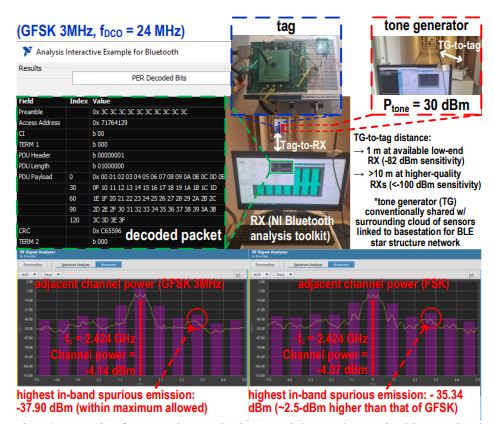
This paper introduces a backscattered BLE5 transmitter for low-cost single-antenna green systems solely powered by mm-scale harvesters. Peak power reduction to 10.6 μW is achieved while enabling BLE-compliant spectral mask up to the maximum allowed backscattered power for range extension. Peak power is reduced via an approximate GFSK modulator architecture based on a non-uniform self-sampling digitally controlled oscillator (DCO) with period pruning/clustering, in place of a power-hungry Gaussian filter and PLL used in conventional GFSK modulators. A 180-nm testchip shows 97-m range with commodity receiver at 4X power and 3X range improvement with respect to prior art.

Researcher/Author:  

Karim Ali Ahmed, Ruiyuan Yang, Praveenakumar Salamani, Viveka Rajanna & Massimo Alioto

Published in:

 ESSCIRC 2023- IEEE 49th European Solid State Circuits Conference (ESSCIRC)

Date Added to IEEE Xplore06 October 2023

To download the paper, please proceed to:  

 10.1109/ESSCIRC59616.2023.10268708

Flexible and Printable Composite Ink for Thermal Management of Soft Electronics

Publication

Since heat generation in electronic devices causes thermal failure, heat dissipation is of critical importance. Furthermore, deformable devices are subjected to mechanical stress, therefore, mechanically stable thermal management material should be considered. Herein, a strategy for printable, thermally conductive, and mechanically stable composite ink for thermal management is introduced. Based on the galvanic replacement between eutectic gallium indium (EGaIn) nanoparticles and silver (Ag) flakes, decoration of the EGaIn nanoparticles on Ag flakes is resulted from the difference in standard reduction potential between Ag, Ga, and In. The resultant alloy formation(Ag–Ga or Ag–In) serves as the thermal transport junction between Ag flakes, leading to high thermal and electrical conductivity (≈140 W mK−1 and ≈106 S m−1, respectively). In addition, owing to the polymer binder, the printed ink is mechanically stable on a substrate exhibiting stable thermal conductivity and sheet resistance under the cyclic bending test. Notably, the heat dissipation of the light-emitting diode (LED) showed better performance when applied with the developed composite ink compared to commercial Ag paste and thermal paste. The junction temperature of the LED is reduced effectively, resulting in a longer lifetime of the LED. The thermal management solution can be utilized in next-generation soft electronics.

Researcher/Author:  Hyunwoo Bark and Pooi See Lee

Published in: Advanced Functional Materials

To download the paper, please proceed to:  

https://onlinelibrary.wiley.com/doi/10.1002/adfm.202306698


SHINE 3rd Technical Workshop

Post Event Report

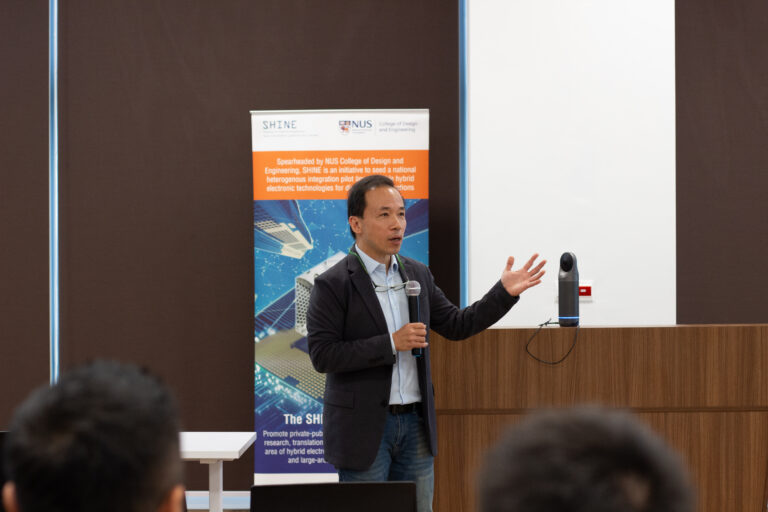
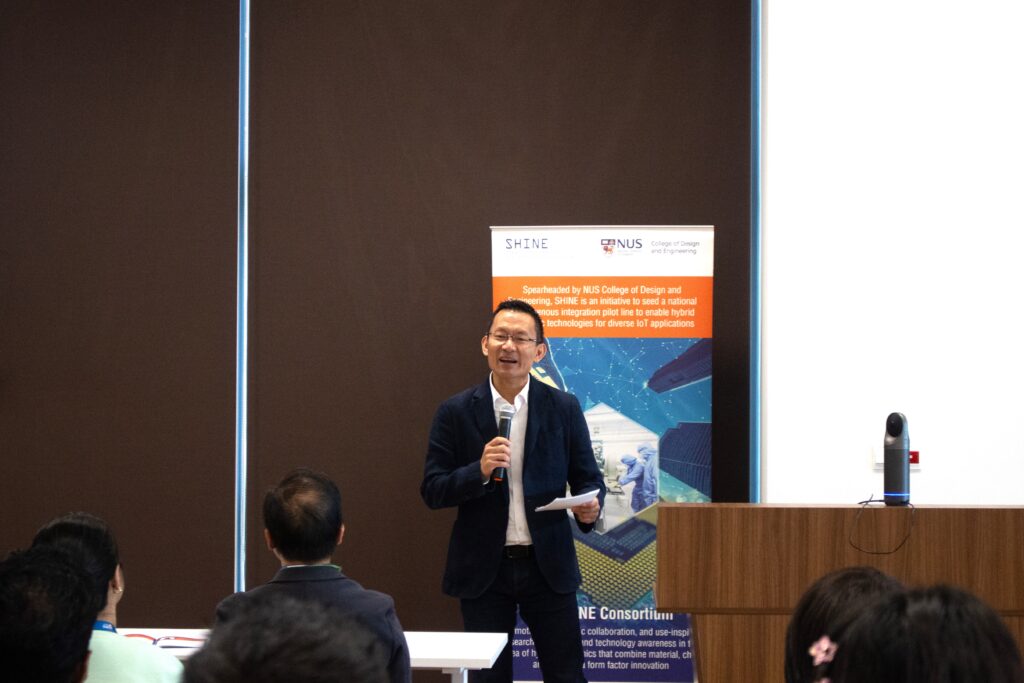
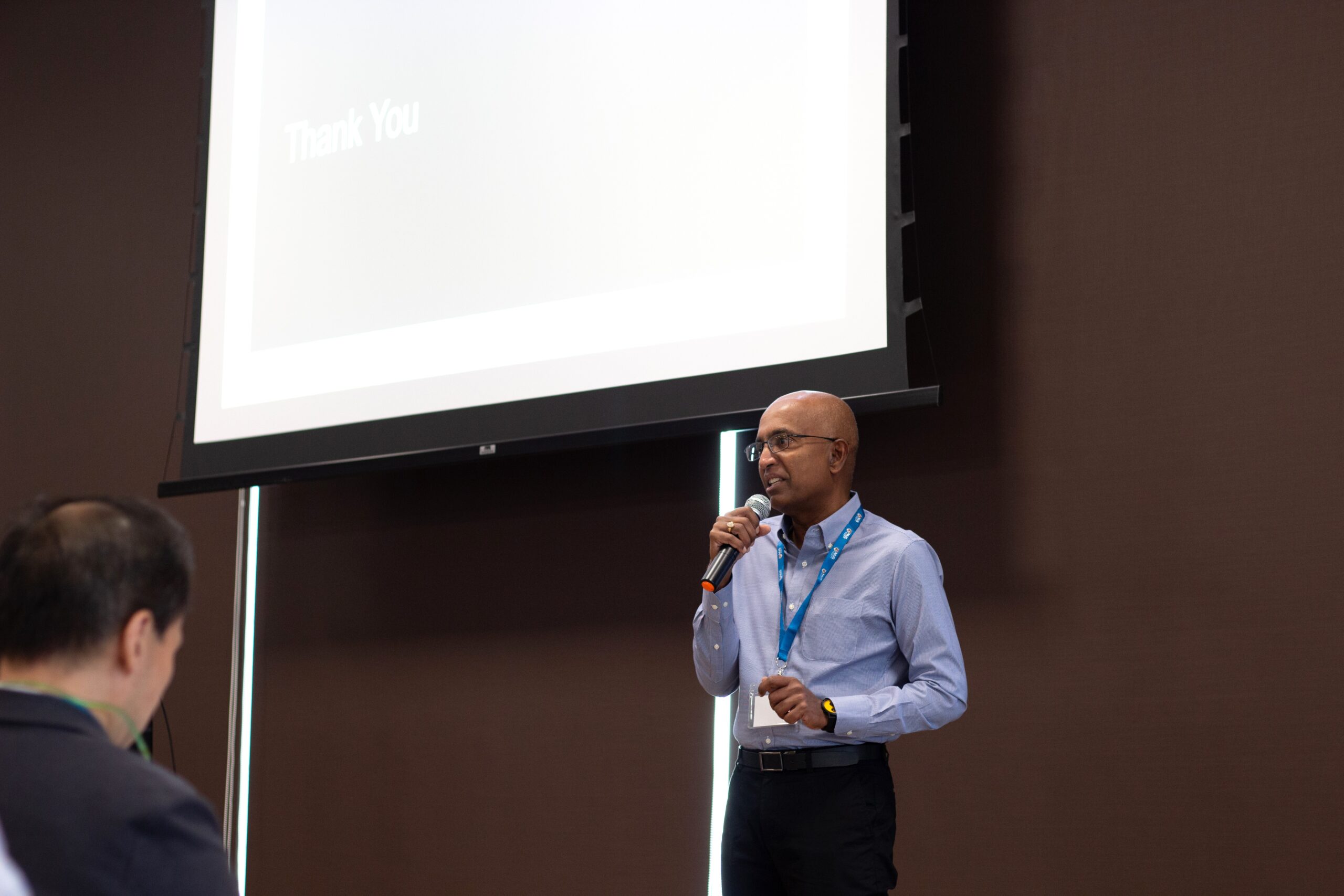
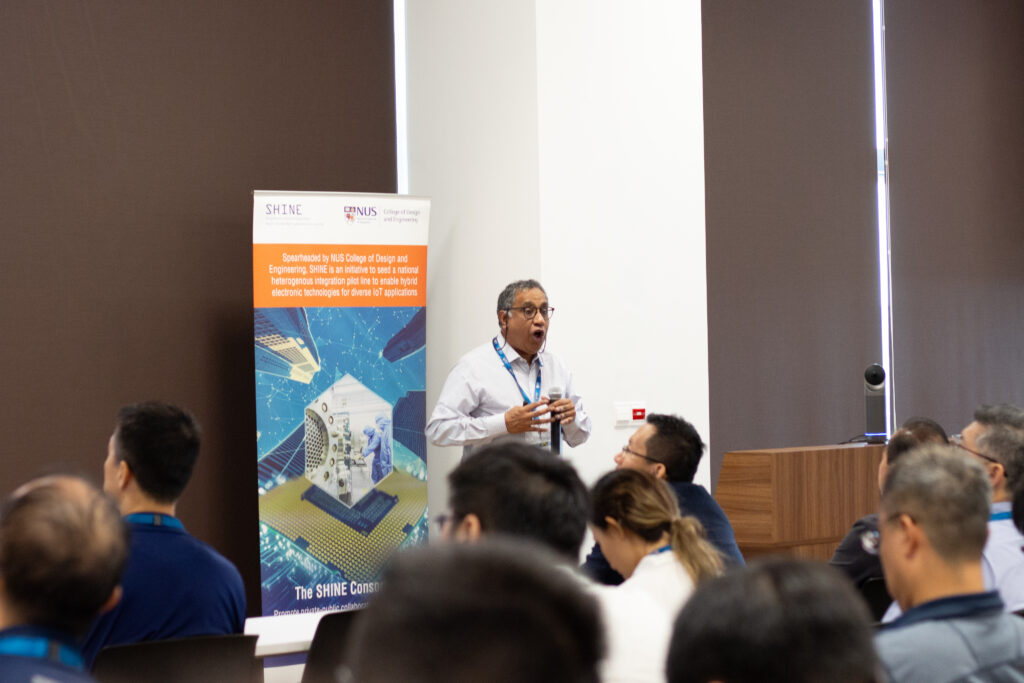
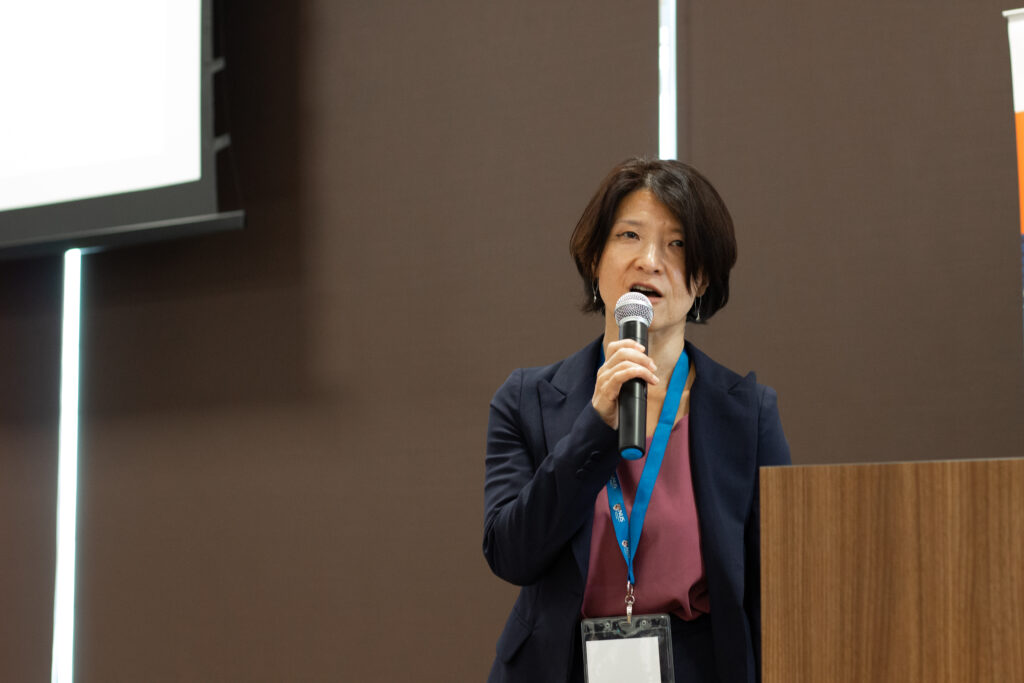
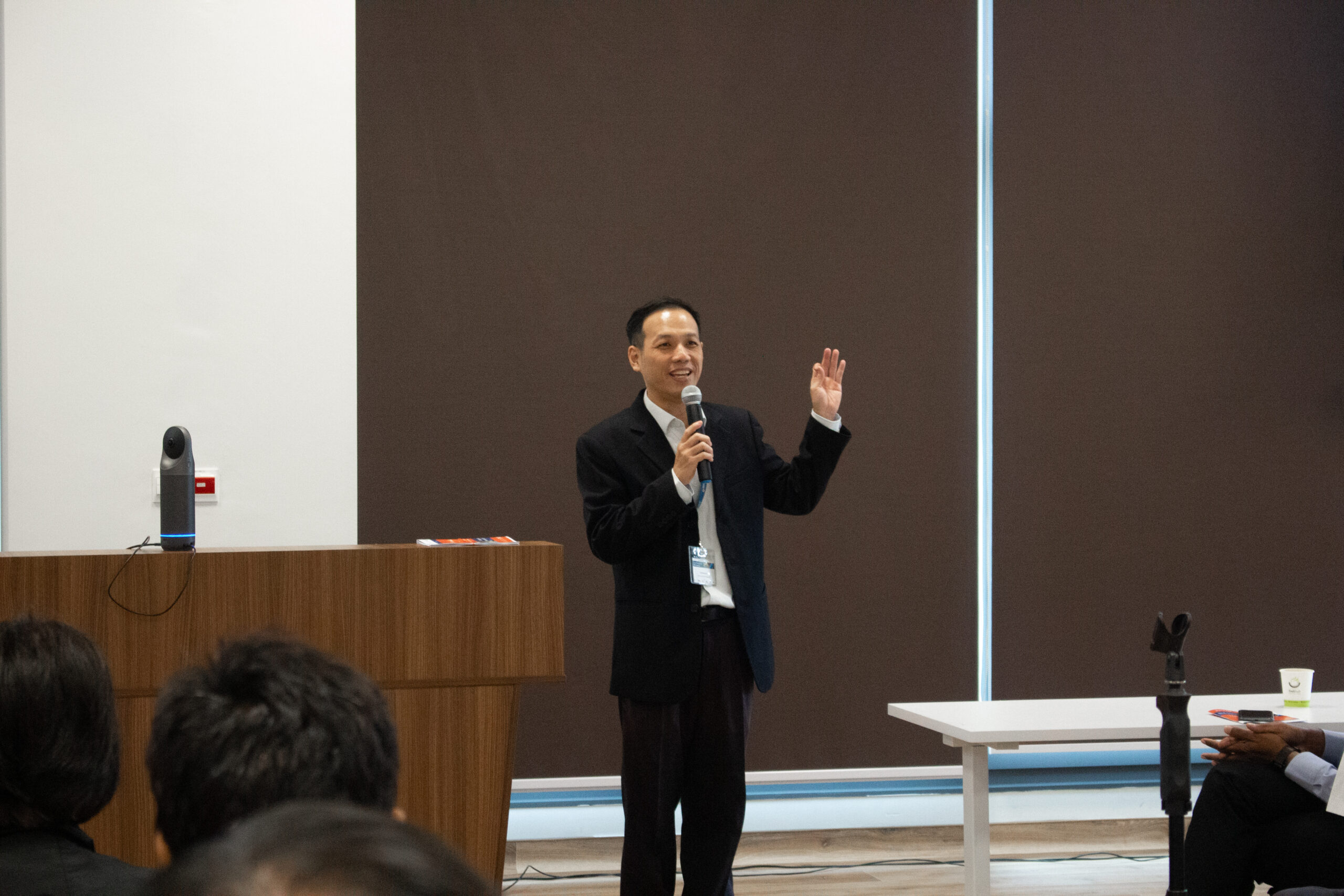
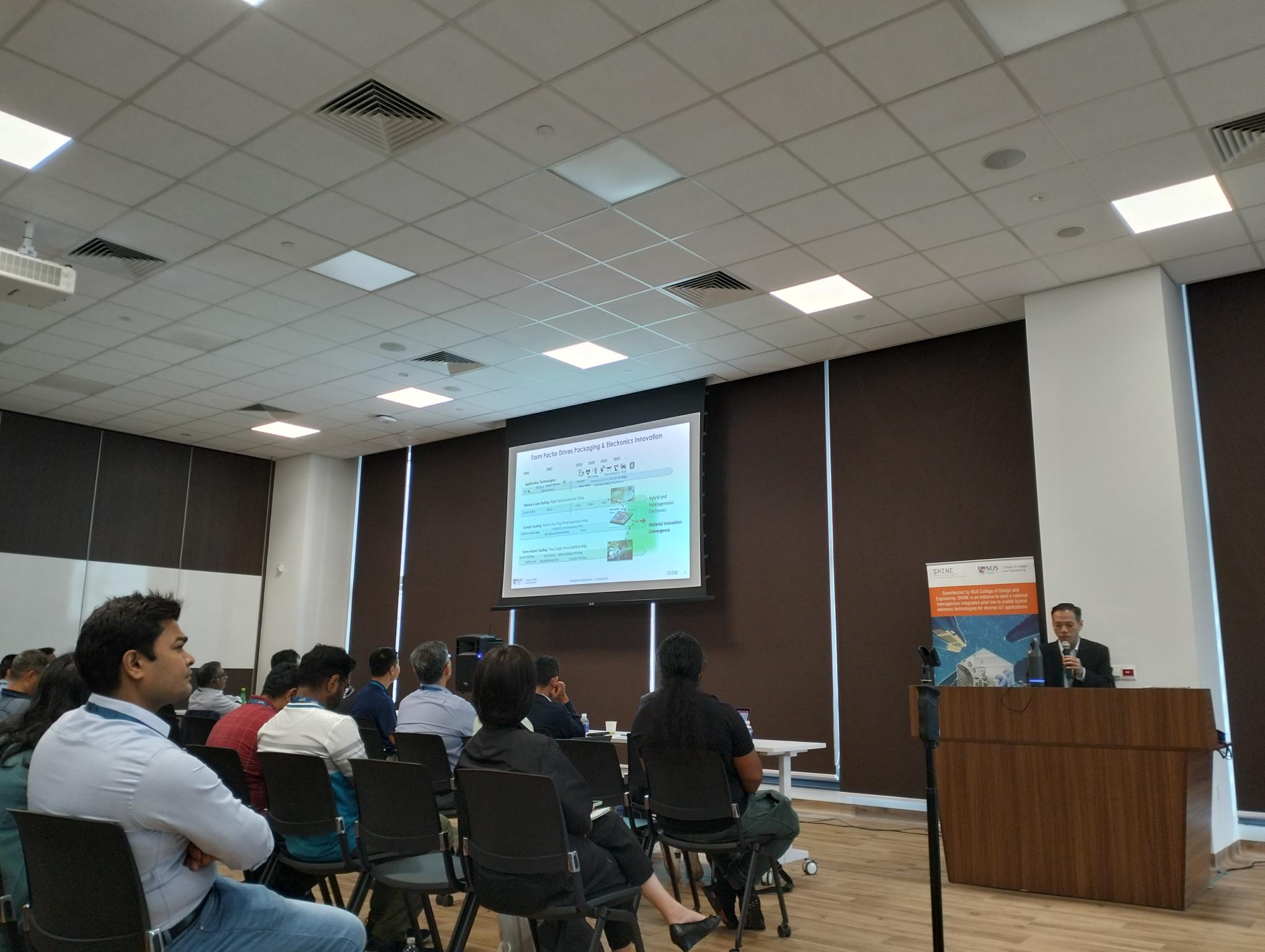
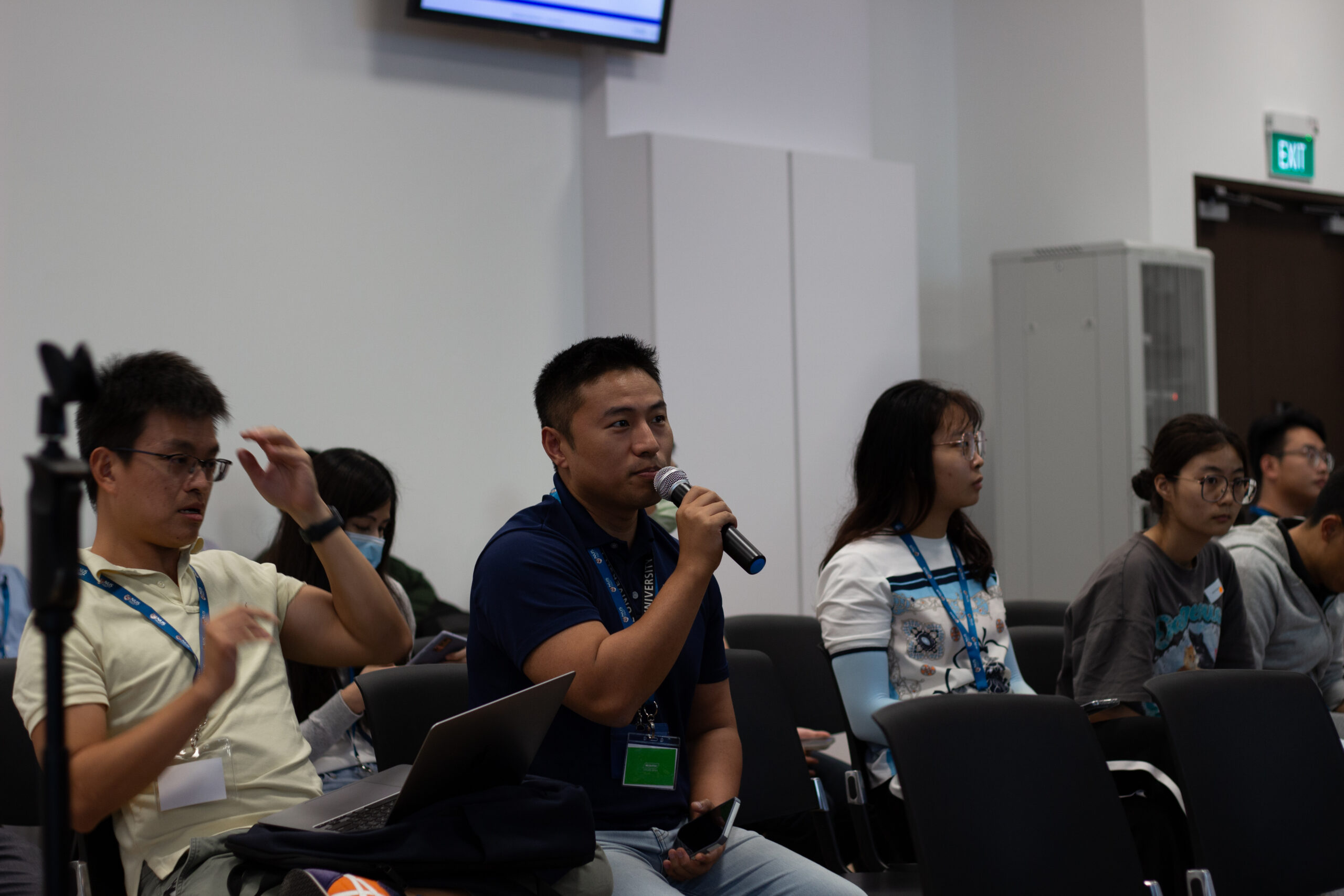
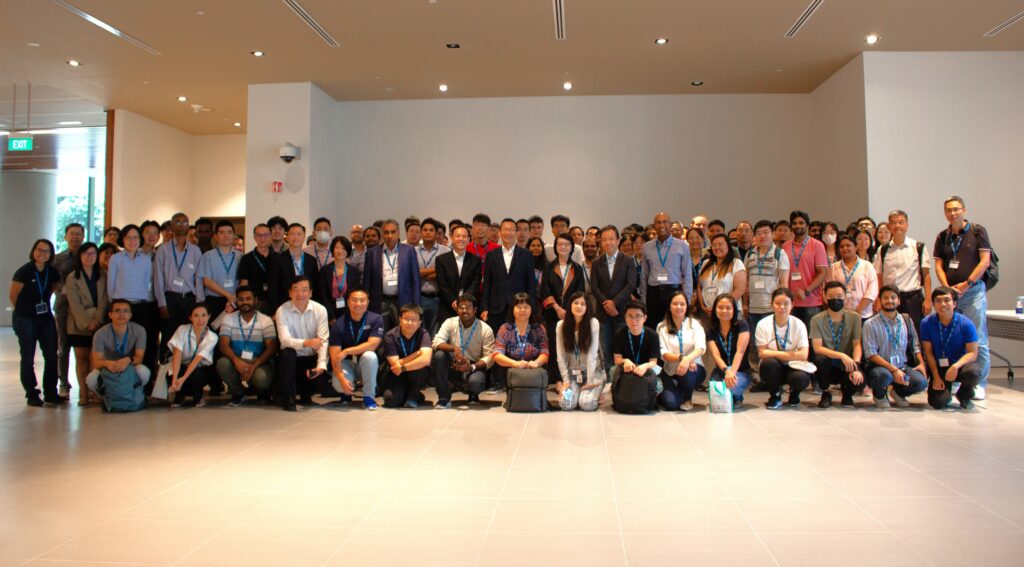
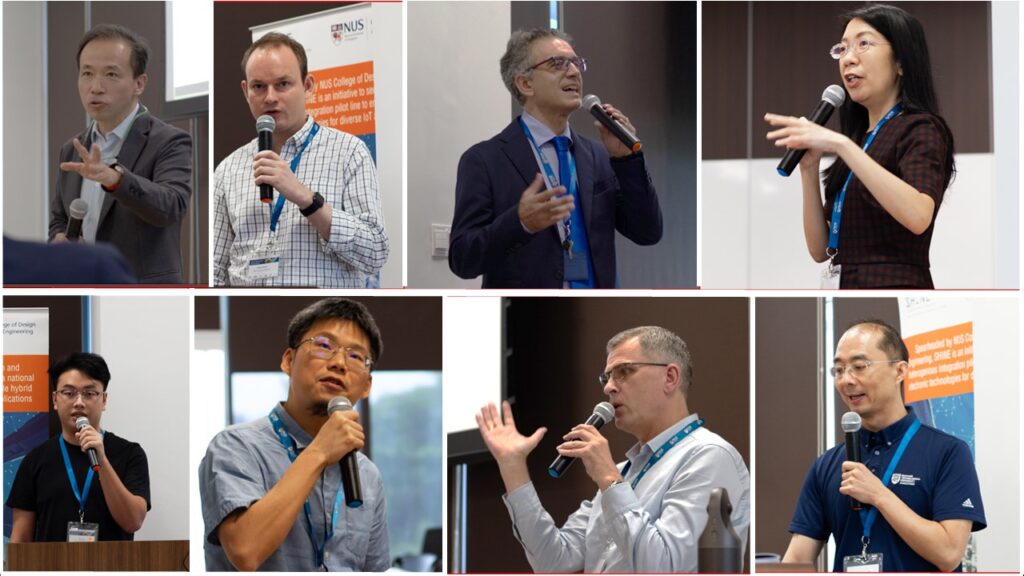
The third technical workshop of the Singapore Hybrid-Integrated Next-Generation μ-Electronics (SHINE) Centre was held on 13 September 2023 at Block E7 in the NUS College of Design and Engineering Campus. The event was a one-day seminar that included a series of invited talks from industries, reporting on research outcome of four research thrusts by co-investigators and researchers from NUS, NTU, DSO and A*Star. The seminar focused on promoting groundbreaking material discoveries aimed at shaping the future of semiconductor and heterogenous-integration technology while nurturing innovation and encouraging collaboration within the industry. The morning event was open to the public and attended by professors, staff, researchers, and industry collaborators, garnering close to 160 participants.

The welcome address by Prof Aaron Thean, Director of SHINE, began with an appreciation of participants and guests, Chief Executive Officer, NRF, including partners of SHINE, for gracing today’s event. He outlined the motivation behind establishing the SHINE Centre and its belief in research strategies with a convergence of new material innovations and collaborations in the research ecosystem. 

The inspiring opening address by Mr Beh, Chief Executive Officer, NRF, set the tone for a day filled with profound knowledge-sharing and collaboration. Mr. Beh eloquently emphasized the far-reaching significance of this innovation economy, underscored the impact of electronics in shaping the trajectory of our world, Research Innovation and Enterprise’s (RIE) pivotal role in providing resources to push frontier science and innovation and the importance of leadership in serving our society.

Followed on were the plenary talks by three distinguished speakers from the industry, namely Professor Radha Nagarajan, Dr Barund Dutta and Dr Myung-Hee Na.

Our journey through innovation and technological advancement began with the first invited speaker, Professor Radha Nagarajan, Senior VP and CTO of the Optical and Copper Connectivity Group at Marvell. Prof. Nagarajan’s captivating talk on “2.5D/3D Heterogeneous Optical Integration” explored the merger of electronics and optics into a single active silicon photonics interposer to form a higher-level component. The process facilitates the component fusion independently designed and optimized from several technology and foundry platforms into a common interposer. As demonstrated, heterogeneous integration is paramount for achieving higher-speed and higher-performance components in our rapidly evolving digital landscape. 

At the end of Prof. Nagarajan’s presentation, Prof. Aaron Thean was thrilled to announce the Two Hundred Thousand Singapore dollar cash donation from Marvel. He thanked Prof. Nagarajan for the support and informed that the funds will play a vital role in advancing pioneering microelectronics research at the SHINE Centre.

Our second invited speaker, Dr Barund Dutta, Chief Scientist at Imec, presented a groundbreaking review of his work on developing a high-channel-count electrophysiology device, “Neuropixels probe.” Dr Dutta’s presentation illuminated the path towards another remarkable 10-50X increase in neural recording capacity, offering a glimpse into the ambitious goal of recording from the entire brain. He shared preliminary exploratory results of a specific neuro-modulation application and the transformative power of a CMOS-integrated platform capable of co-integrating various modalities, including integrated optics/photonics. Furthermore, Prof Dutta illustrated a few transformational neuroscience experiments to demonstrate that this technology is facilitating the Neuropixels ecosystem’s potential of charting a new path to enable collaborative science between advanced tool builders and scientists, with a transformational impact.

Dr. Myung-Hee Na, VP of the Revolutionary Technology Center at SK Hynix, was the final speaker at the morning workshop. Her presentation, “Making Small, Creating Big – Semiconductor Innovation,” took us through the “Continuity, Expansion, and Change” in memory innovation. This cycle emphasized the importance of memory innovation in today’s data-centric era. The discussion began with the need to continue Moore’s law in current memory products like DRAM and NAND, followed by expanding into emerging memory technologies for new applications. Dr Na introduced interfaces like Compute-Express-Link (CLX) and explored chalcogenide-based materials for improved performance and process simplicity, surpassing existing industry solutions. This journey ultimately aimed to break down the boundaries between computer and memory, leading to the concept of “Beyond Memory.”

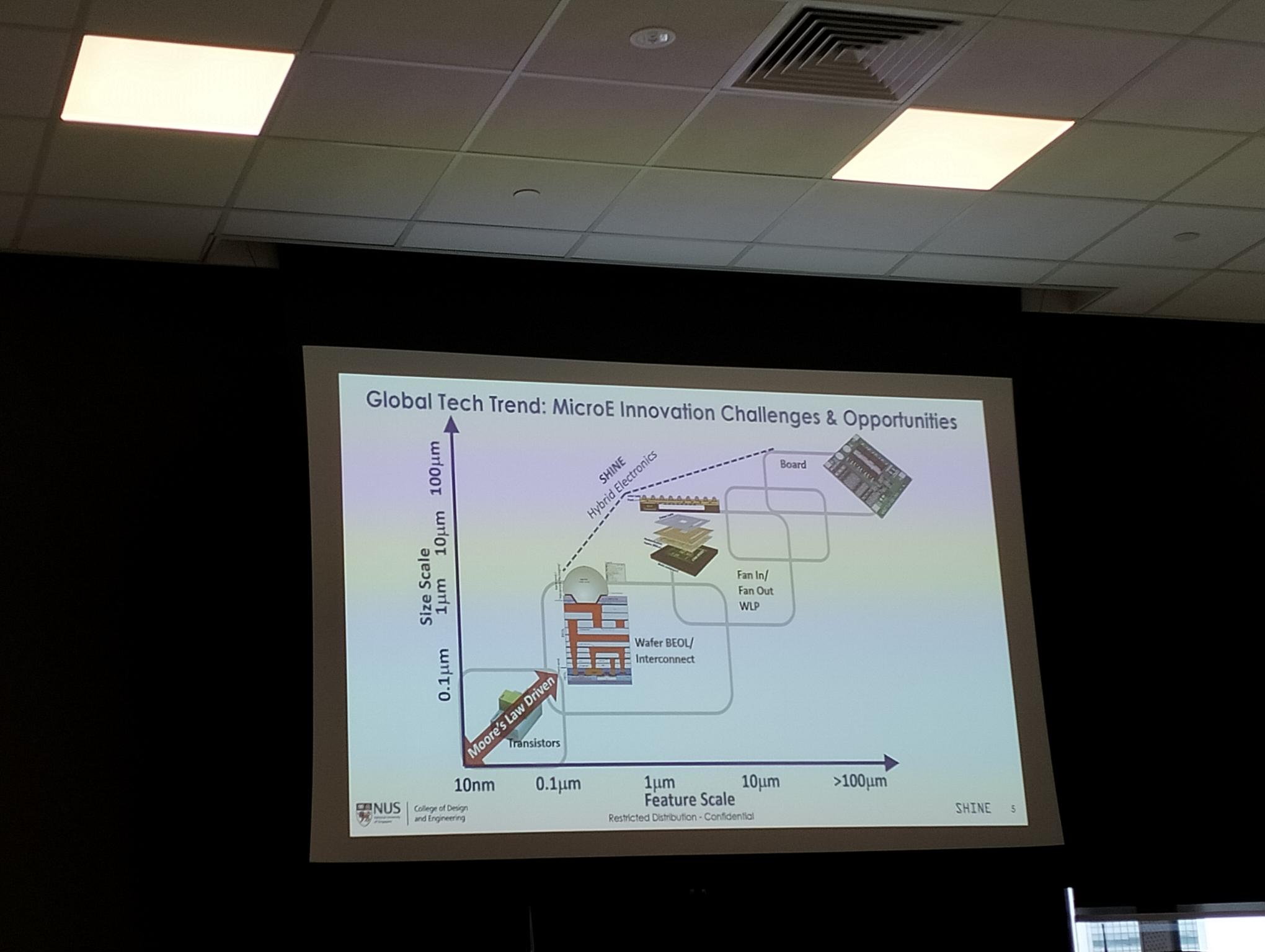
After the three plenary sessions, Prof Lim reiterated SHINE’s mission, strategy, approach, and benchmarking/positioning while providing an overview of its research activities and highlighting microelectronics innovation challenges and opportunities, its facilities and key capabilities, SHINE hybrid electronics research and empowering innovation through strategic partnership.

The SHINE 3rd Technical Workshop in the morning successfully concluded, thanks to the remarkable insights of our plenary speakers, dedicated participants, and the support of our sponsors and organizing committee. The event served as a forum for sharing knowledge, fostering collaboration, and building connections, pivotal in propelling the industry and promoting its development..

The afternoon workshop was restricted to SHINE consortium research collaborators. We extend a big thank you to all the co-investigators of SHINE research Thrusts 1 to 4 and the respective researchers for sharing their remarkable research outcomes. 

The Photo Gallery

A 0.4V 12b Comparator Offset Injection Assisted SAR ADC achieving 0.425 fJ/conv-step

Publication

A 0.4V 12b Comparator Offset Injection Assisted SAR ADC achieving 0.425 fJ/conv-step

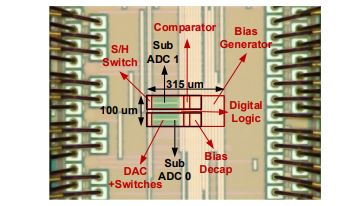
A 12-bit hybrid SAR ADC with SAR search assisted by comparator offset injection is presented. The proposed ADC architecture reuses offset calibration circuitry for conversion of the last two LSBs, reducing the required capacitive DAC resolution and pushing its total capacitance down to its thermal noise limit. The proposed ADC can be calibrated without requiring any accurate input generation. The prototype ADC, fabricated in 40nm CMOS, occupying an active core area of 0.0315mm2 , and operating at 0.35-0.45V for sampling rates ranging from 0.4 to 80 kS/s respectively, achieves the lowest Walden-FOM between 0.425-0.947fJ/conv-step, with an SNDR > 64.7dB and SFDR > 74.3dB.

Researcher/Author:  

Japesh Vohra, Karim Ali Ahmed & Massimo Alioto

Published in:

ESSCIRC 2023- IEEE 49th European Solid State Circuits Conference (ESSCIRC)

To download the paper, please proceed to:  

10.1109/ESSCIRC59616.2023.10268816

First Demonstration of HZO-LNOI Integrated Ferroelectric Electro-Optic Modulator and Memory to Enable Reconfigurable Photonic Systems

Publication

First Demonstration of HZO-LNOI Integrated Ferroelectric Electro-Optic Modulator and Memory to Enable Reconfigurable Photonic Systems

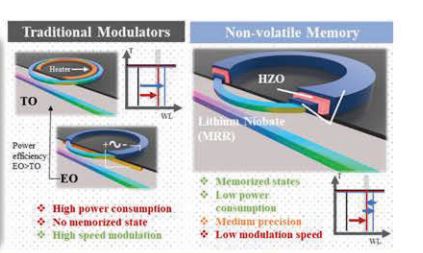
We have successfully demonstrated, for the first time, an innovative back-end-of-line (BEOL) compatible electro-optic modulator and memory (EOMM) based on Lithium Niobate on Insulator (LNOI) micro-ring resonator (MRR) integrated with Ferroelectric Hafnium Zirconate Hf 0.5 Zr 0.5 O (HZO) non-volatile analog memory. High non-volatile memory and modulation performances are both achieved in a single compact device, exhibiting high extinction ratio of 13.3 dB, excellent efficiency of 66pm/V, stable nine-state switching, record-high endurance exceeding 10 9 cycles.

This is accomplished by utilizing Pockels effect in LNOI, induced by electric-field effect from remnant HZO ferroelectric polarization. We studied the system implementation of reconfigurable chiplet-interposer photonic interconnect, enabled by the EOMM and EOMM with hybrid thermal-optical modulation. Our model shows a potential 70% energy efficiency improvement over conventional electrical interposer interconnect. We have also tested the integration of the EOMM with POET technologies’ 400G Tx/Rx optical interposer chip and studied a limited scale demonstration of the EOMM device.

Researcher/Author: 

Zefeng Xu, Chun-Kuei Chen, Hong-Lin Lin, Yuan Gao, Wei Ke, Baochang Xu, Pavel Dmitriev, Carlan Arbiz, Evgeny Zamburg, Steven Touzard, Xiulun Cai, James Lee, Suresh Venkatesan, Aaron Danner, Aaron Voon-Yew Thean

Published in:

2023 International Electron Devices Meeting (IEDM)

Added to IEEE Xplore07 February 2024

To download the paper, please proceed to:  

http://dx.doi.org/10.1109/IEDM45741.2023.10413812

DOA Estimation for Curved Antenna Arrays Using CRLB Analysis and SDR

Publication

Cramer-Rao lower bound (CRLB) analysis for estimation of the direction of arrival (DOA) for curved receiving antenna arrays is presented. Software defined radio (SDR) measurements are used to validate the results. First the CRLB for curved arrays is derived. Then the method is applied to case studies using three different arrays for DOA estimation. The arrays with four antennas with different curvatures are fabricated and SDR is used to validate the results. It is found that the performance depends on the DOA, with the curved array providing benefits for certain directions of arrival. The proposed method can help designers of arrays for DOA estimation to improve the performance.

Researcher/Author:  Jiahao Wang, Peizhuo Yang and Koen Mouthaan

Published in: IEEE

To download the paper, please proceed to:  

https://ieeexplore.ieee.org/document/10237781


A C-band Dual-pol Compact Reflector Antenna with a Square Waveguide Feed

Publication

A C-band center-fed compact reflector antenna with dual linear polarization over a bandwidth of 25% is presented. To achieve this bandwidth, the feed uses a square waveguide, a polycarbonate neck, and a hat sub-reflector. The gain of the antenna is between 29 dBi and 32 dBi over the frequency range of 5–6.4 GHz. The main objective of the presented
work is to extend the operating bandwidth of the high-gain antenna while keeping the structure of the feed as simple as
possible. Measured antenna patterns, gain vs. frequency, cross polarization vs. frequency, and S-parameters of the feed are presented.

Researcher/Author: Su Yee Aye , Peng Khiang Tan , Tse Tong Chia , Sigurd Huber, and Koen Mouthaan

Published in: IEEE

To download the paper, please proceed to:  

https://ieeexplore.ieee.org/document/10238085

Deployable L-Band Bowtie Antenna Array for Satellite Applications

Publication

A stowable and deployable 4×4 bowtie array at L-band is presented. The 16 bowtie antennas are fabricated using standard FR-4. The bowtie array uses flexible copper-clad kapton with supporting narrow aluminum channels to replace the conventional rigid ground plane. A size reduction of about 85% is achieved when the antenna is stowed. The measured gain, excluding the losses of the feed network, is between 16 dBi and 19.5 dBi over the frequency band of interest from 1.2 GHz to 1.5 GHz.

Researcher/Author: Gong Chen, Fujiang Lin, and Koen Mouthaan


Published in:  IEEE

To download the paper, please proceed to:  

https://doi.org/10.1109/USNC-URSI52151.2023.10238186

Resilient conductive membrane synthesized by in-situ polymerisation for wearable non-invasive electronics on moving appendages of cyborg insect

Publication

By leveraging their high mobility and small size, insects have been combined with microcontrollers to build up cyborg insects for various practical applications. Unfortunately, all current cyborg insects rely on implanted electrodes to control their movement, which causes irreversible damage to their organs and muscles. Here, we develop a non-invasive method for cyborg insects to address above issues, using a conformal electrode with an in-situ polymerized ion-conducting layer and an electron-conducting layer. The neural and locomotion responses to the electrical inductions verify the efficient communication between insects and controllers by the non-invasive method. The precise “S” line following of the cyborg insect further demonstrates its potential in practical navigation. The conformal non-invasive electrodes keep the intactness of the insects while controlling their motion. With the antennae, important olfactory organs of insects preserved, the cyborg insect, in the future, may be endowed with abilities to detect the surrounding environment.

Researcher/Author: 

Qifeng Lin, Rui Li, Feilong Zhang, Kazuki Kai1, Zong Chen Ong, Xiaodong Chen  and Hirotaka Sato

Published in:  npj Flexible Electronics

To download the paper, please proceed to:  

https://www.nature.com/articles/s41528-023-00274-z


Size-Selective Ionic Crosslinking Provides Stretchable Mixed Ionic–Electronic Conductors

Publication

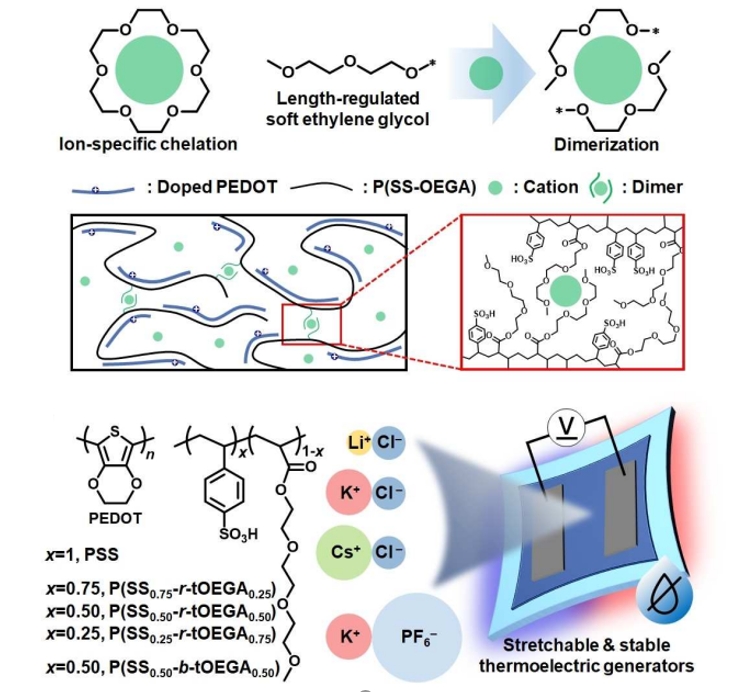
Mechanically compliant conductors are of utmost importance for the emerging fields of soft electronics and robotics. However, the development of intrinsically deformable organic conductors remains a challenge due to the trade-off between mechanical performance and charge mobility. In this study, we report a solution to this issue based on size-selective ionic crosslinking. This rationally designed crosslinking mediated by length-regulated oligo(ethylene glycol) pendant groups and metal ions simultaneously improved the softness and toughness and ensured excellent mixed ionic–electronic conductivity in poly(3,4-ethylenedioxythiophene):polystyrene sulfonate composite materials. Moreover, the added ions remarkably promoted accumulation of charge carriers in response to temperature gradient, thus offering a viable approach to stretchable thermoelectric generators with enhanced stability against humidity.

Researcher/Author:  Junwoo Lee, Hyunwoo Bark, Yazhen Xue, Pooi See Lee, and Mingjiang Zhong*

Published in:  Angewandte Chemie International Ed.  2023

To download the paper, please proceed to:  

https://doi.org/10.1002/anie.202306994