Sidebar


Publications – 2023 – SHINE


On the effect of partial underfilling on the fatigue life of flip-chip micro-solder bumps in a heterogeneously integrated TSI package using finite element simulations

Publication

The requirement of partial underfilling of flip-chips in certain heterogeneously integrated packages could adversely affect the fatigue life of the micro-solder bumps. We performed numerical simulations to show that the underfilling of the surrounding regions of micro-bumps is necessary to have a comparable fatigue life as those of the full underfill case. The effect of underfill away from the micro-bumps is insignificant on their fatigue life. In the case of partial underfilling with some bumps without surrounding underfill, they become critical with significantly lower life as compared to the micro-bumps surrounded by underfill.

Researcher/Author:  Sasi Kumar Tippabhotla, Lin Ji 

Published in:  2023 IEEE 73rd Electronic Components and Technology Conference (ECTC)

To download the paper, please proceed to:  10.1109/ECTC51909.2023.00042


High-Performance Amplifier Package Design for Heterogenous Integration on Si-interposer

Publication

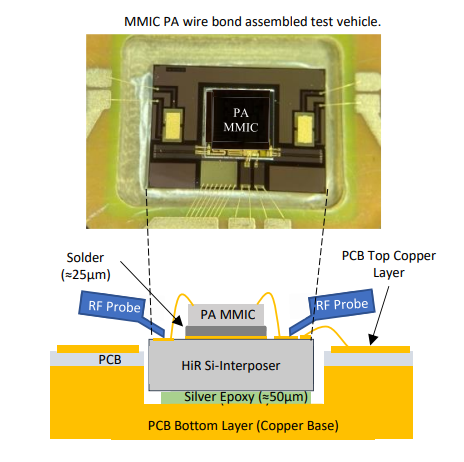
The RF design for the wire bond and flip-chip Power Amplifier (PA) MMIC on the High Resistivity (HiR) Si-interposer are presented in this paper. The HiR Si-interposer is to support multiple off-the-shelf RF and Baseband ICs for complex advanced RF frontend modules using heterogeneous integration. A two-sided thermal cooling solution is adopted for this high-performance integration architecture. The high-power dissipation MMIC is integrated using flip-chip assembly so that the heat can be dissipated through the top heat spreader. For the other ICs, they are integrated using wire bond assembly so that their heat will be dissipated through the bottom HiR Si-interposer.

Researcher/Author: Teck Guan Lim,Lin Zho, Sasi Kumar Tippabhotia, in Lin, Jong Ming Ching, Jia Qi Wu, Tang Gong Yue, Eva Wai Leong, Yong Chyn Ng, King Jien Chui, Wei Jia Lu, Chee Heng Goh, Sek Lin Pek & Jin Wei Agnes Loh

Published in: 2023 IEEE 73rd Electronic Components and Technology Conference (ECTC)

To download the paper, please proceed to: 10.1109/ECTC51909.2023.00315

Overcoming Negative nFET VTH by Defect-Compensated Low-Thermal Budget ITO-IGZO Hetero-Oxide Channel to Achieve Record Mobility and Enhancement-mode Operation

Publication

We have successfully demonstrated, low-thermal budget oxide-based FETs with a record I D,max of 790μA/μm at V DS = 1V, an enhancement-mode operation (V DH >0), S.S. <90 mV/dec., and DIBL ~20mV/V at an ultra-scaled channel length LCH CH of 50 nm. This is enabled by an optimized InSnO x -InGaZnO x hetero-junction channel to achieve channel defect self-compensation [1]. This approach overcomes the fundamental issue of negative VTH seen in n-type oxide FETs due to donor-type channel oxygen vacancy (Vo) and the limited tunability of gate metal work function. Through our ITO-IGZO channel and defect self-compensation approach, our transistor effective mobility (μeff) is boosted to 110 cm2/Vs with the channel thickness (TCH) scaled down to 4 nm. This unique T CH -independent mobility behavior is not observed for IGZO or ITO mono-channel FETs. With such enhancement, our ITO-IGZO FETs exhibit the best-in-class mobility among oxide-based FETs, and are competitive to unstrained Silicon thin film and SOI FETs, while being compatible with sub- 400 °C back-end-of-line (BEOL) processes.

Researcher/Author:  Sonu Hooda, Chun-Kuei Chen, Manohar Lal, Shih-Hao Tsai
, Evgeny Zamburg , Aaron Voon-Yew Thean

Published in:   IEEE 

To download the paper, please proceed to:  

https://ieeexplore.ieee.org/document/10185266


N-P Reconfigurable Dual-Mode Memtransistors for Compact Bio-Inspired Feature Extractor with Inhibitory-Excitatory Spiking Capability

Publication

Competitive-learning-based spiking neural networks are capable of rapid, highly accurate pattern recognition with minimal data through denoising mechanisms provide by adaptive interneuron inhibition. However, hardware implementations of such networks are currently area-inefficient due to the high device count require to execute dual excitatory-inhibitory synapses. To mitigate this, n-/p- reconfigurable tungsten diselenide memtransistors is introduced that can execute excitatory and inhibitory synapses in a highly compact bio-inspired feature extractor hardware architecture. The reconfigurability is realized through a dual mode memory device with a flash-memory-like floating-gate for n-/p- programing and a memristor-like selenium vacancy-based resistive switching that varies in memristive output with majority carrier modulation. Through a device-system codesign, an effective 27% device count reduction in the peripheral circuits is achieved , which ameliorates circuit component congestion and circuit complexity. Compared to the prevalent winner-takes-all approach, the proposed machine learning with adaptive interneuron inhibition achieves high-accuracy convergence with up to five times smaller training dataset. This accelerated learning can potentially enable edge-artificial intelligence (AI) processors capable of ultra-low-energy training with limited data.

Researcher/Author:  Jin Feng Leong, Zihang Fang, Maheswari Sivan, Jieming Pan, Baoshan Tang,
Evgeny Zamburg, and Aaron V-Y Thean

Published in:  Advanced Functional Materials

To download the paper, please 

proceed to:  https://doi.org/10.1002/adfm.202302949

Fault Location In Circuitry Using Magnetic Field

Overseas Speaker Talk Series – Post Event Report

Fault Location In Circuits Using Magnetic Field Imaging

Date: 28 June 2023, Wednesday

Time: 10.30 to 11.30 am 

Venue: Block E6, #06-02, 5 Engineering Drive 1, Singapore 117608

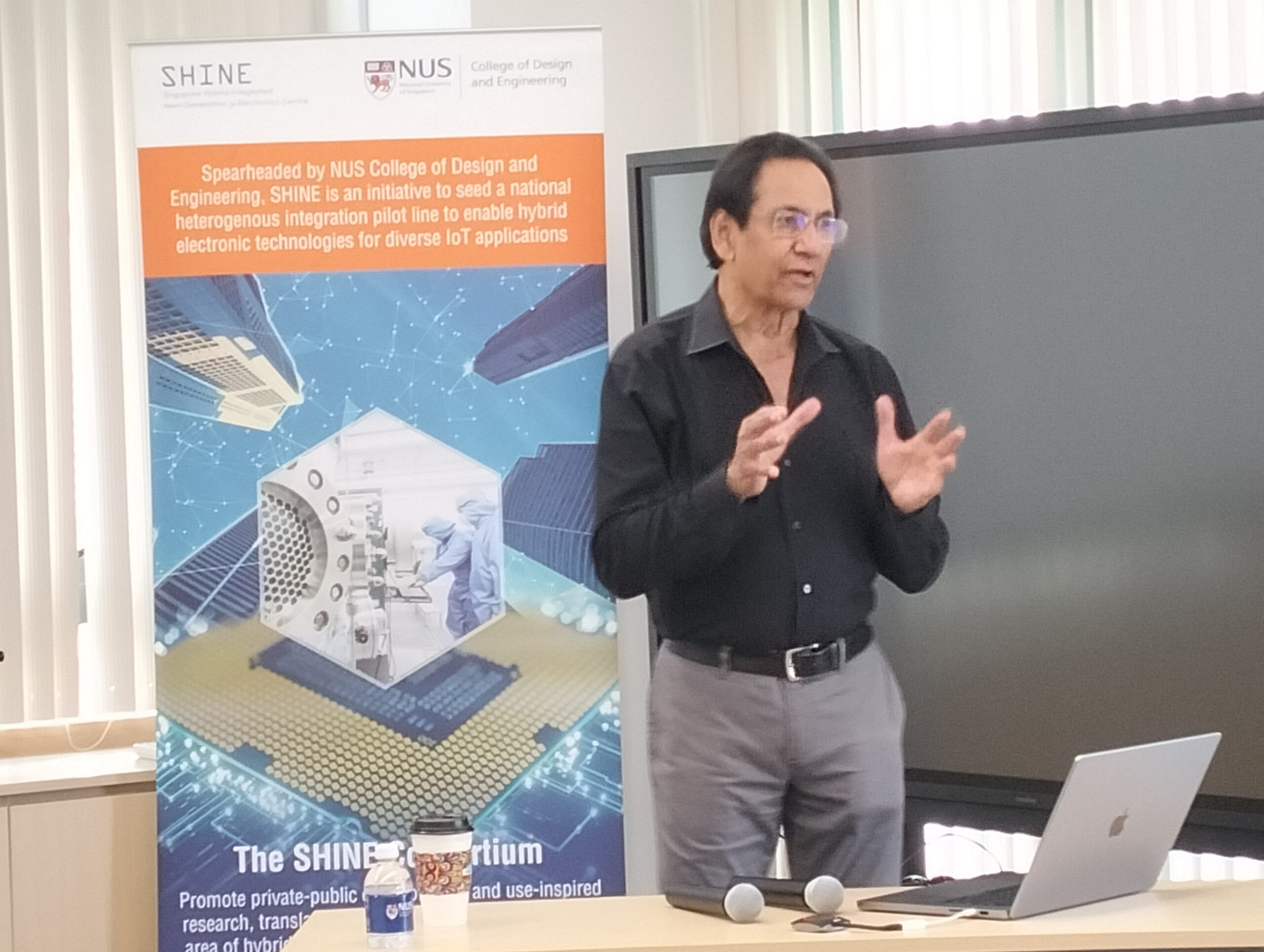
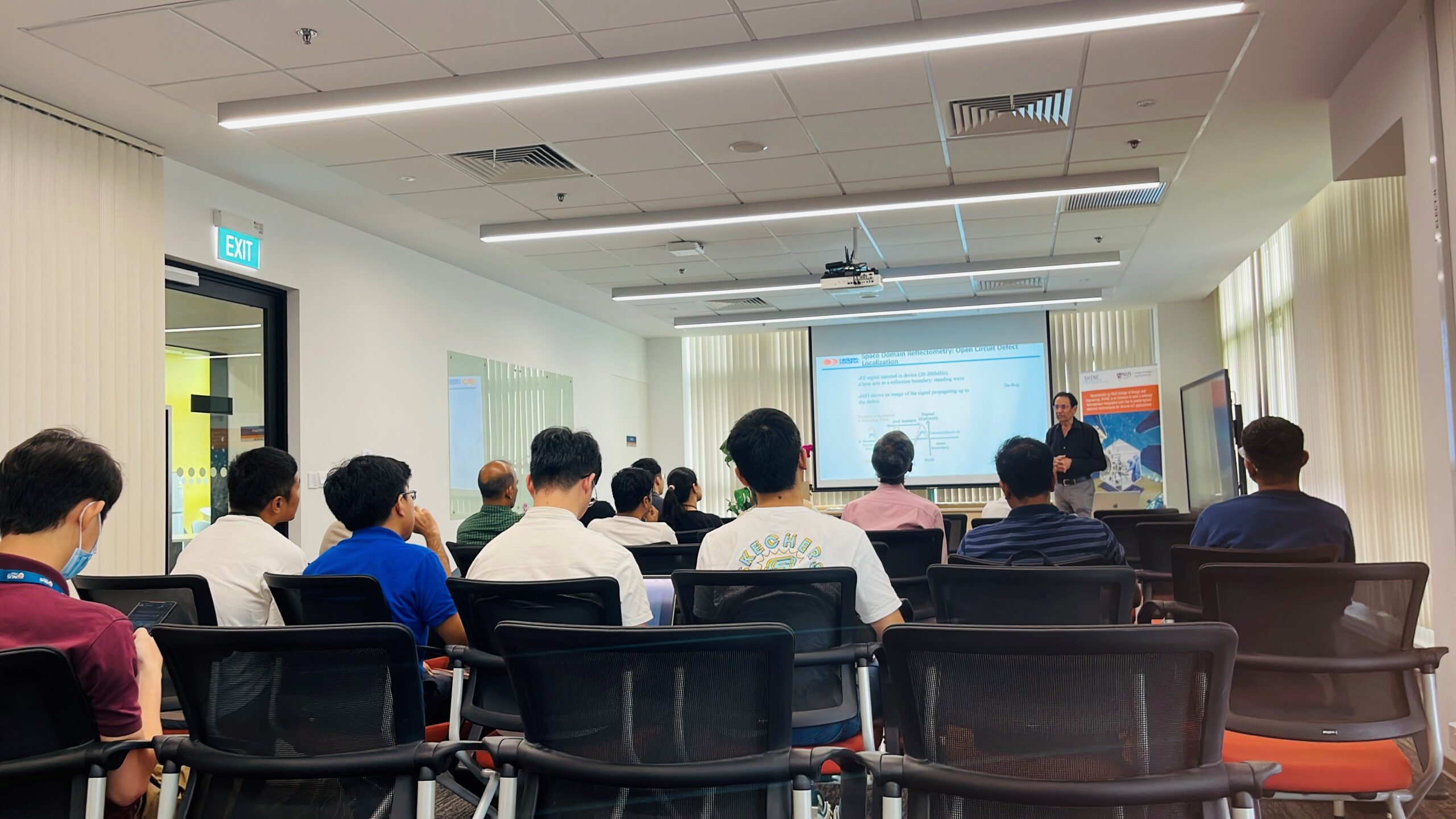
On June 28, we had the privilege of hosting Professor Venkatesan (aka Prof Venky), Director of the Center for Quantum Research and Technology at the University of Oklahoma, as the overseas speaker for a talk titled “Locating the Coordinates of Faults in Electrical Circuitry.” The event took place at the campus of College of Design and Engineering and aimed to explore the importance of identifying faults in various electrical circuitry and the utilization of magnetic fields and x-rays for fault analysis.

Key Discussion Points:

Increasing Yields and Advancing Next-Generation Electronic Technology:
Prof Venky emphasized the crucial role of fault analysis in improving yields and advancing electronic technology. He highlighted the significance of accurately locating faults to identify areas for improvement and optimize the manufacturing process. The discussion shed light on the importance of addressing faults promptly to minimize production delays and reduce costs.

The Unique Properties of Magnetic Fields and X-rays:
Prof Venky discussed the unique characteristics of magnetic fields and x-rays as enabling media for fault analysis. He emphasized that these modalities are not easily absorbed by the materials used in circuitry fabrication, making them suitable for non-destructive fault analysis. This insight highlighted the potential of magnetic field and x-ray imaging techniques in fault analysis processes.

Pressing Need for 3D Defect Localization:
The rapid growth of advanced packaging techniques has created a pressing need for the localization of defects in three dimensions. Traditional fault analysis techniques relying on photons, electrons, heat, and sound are gradually being replaced by magnetic field and x-ray imaging methods. Attendees gained valuable insights into the challenges associated with fault analysis in three-dimensional structures and how magnetic field and x-ray imaging offer promising solutions.

Complementary Nature of Magnetic Field and X-ray Imaging:
Prof Venky emphasized the complementary nature of magnetic field and x-ray imaging techniques. He explained that while x-rays primarily detect density differences, magnetic field imaging directly captures electrical characteristics, providing valuable additional information. The combination of these two modalities enhances fault analysis capabilities and enables more accurate defect localization.

Neocera Magma – The Magnetic Field Imaging System:
During the talk, Prof Venky introduced MAGMA, the magnetic field imaging system from Neocera. He shared details about the system, which utilizes two quantum sensors: a superconducting quantum interference device (SQUID) and a giant magneto-resistive sensor (GMR). He discussed the operation, advantages, limitations, and possible future roadmap for the MAGMA system, providing the attendees with valuable insights into the practical implementation of magnetic field imaging techniques.

Question and Answer Session:

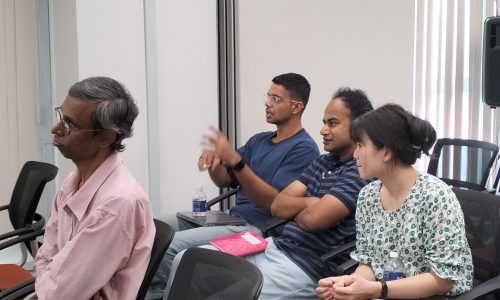
20230628_Q&A 2

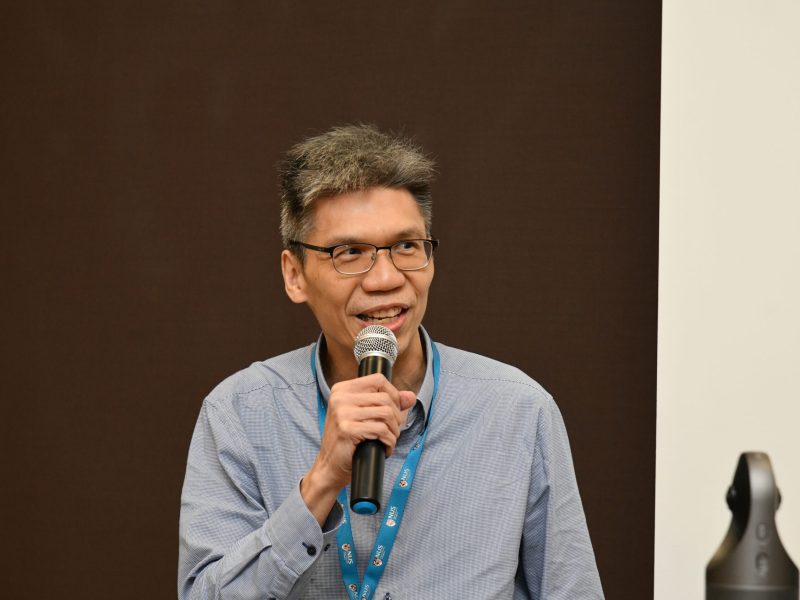
The talk included an engaging question and answer session where attendees actively participated. Prof Venky addressed various queries related to the magnetic field and x-ray imaging techniques, associated equipment and technologies, and the potential applications of AI in their adoption. The interactive session allowed for a deeper understanding of the topics discussed and provided valuable clarification for the attendees.

Token of Appreciation:

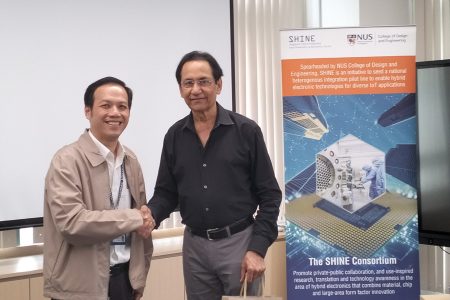
20230628_Token of Appreciation_Prof Venkyjpg

At the end of the talk, Professor Lim Yeow Kheng, the Programme Director of the SHINE Centre, presented Prof Venky with a token of appreciation. The gesture recognized Prof Venky’s valuable insights into emerging technologies for fault analysis in 3D structures.

About the Speaker

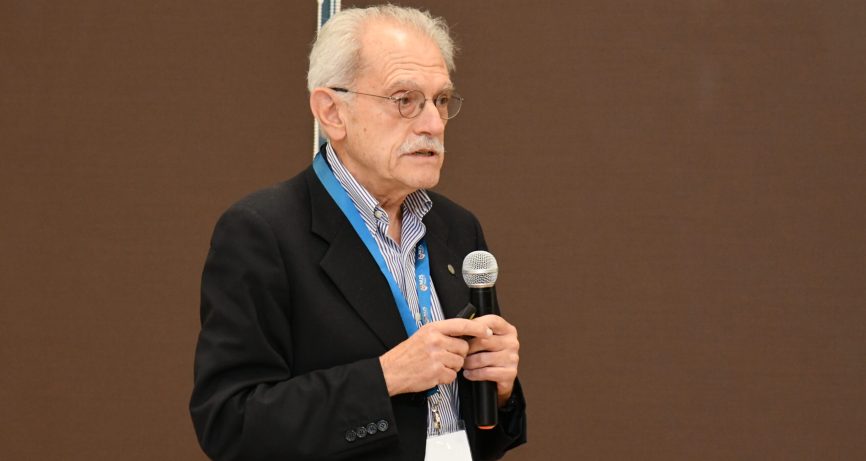
Prof. T. Venkatesan is a distinguished academic and researcher with an impressive background. He currently serves as the Director of the Center for Quantum Research and Technology at the University of Oklahoma and is affiliated with NIST Gaithersburg. Prof. Venkatesan is also the founding Director of the Center of Optimal Materials for Emerging Technologies at the University of Oklahoma. Previously, he held positions such as Director of the Nano Institute at the National University of Singapore and various roles at Bell Labs and Bellcore.

Prof. Venkatesan is renowned for his contributions as the inventor of the pulsed laser deposition (PLD) process and has an extensive publication record of over 800 papers and 34 patents. He is highly regarded in the scientific community and is recognized as one of the top physicists globally, ranked 66th in 2000 based on citations. He has mentored numerous students, having supervised over 56 PhDs, 35 Post Docs, and over 35 undergraduates.

In addition to his academic pursuits, Prof. Venkatesan is actively involved in entrepreneurship. He is the founder and Chairman of Neocera and Neocera Magma, companies specializing in PLD and magnetic field imaging systems. He is also a co-founder of Blue Wave Semiconductors. Prof. Venkatesan has played a key role in launching healthcare companies in Singapore, namely Cellivate and Breathonix, and many of his students have become entrepreneurs, establishing over 25 different commercial enterprises.

Prof. Venkatesan holds prestigious fellowships and memberships in various organizations, including the Royal Society, National Academy of Inventors, Singapore National Academy of Science, and Asia-Pacific Artificial Intelligence Academy, among others. He has received numerous awards and honors throughout his career, including the Bellcore Award of Excellence, George E. Pake Prize, and Distinguished Lectureship on the Applications of Physics Award from the American Physical Society. He is also actively involved in professional committees and has served as a Guest Professor at Tsinghua University and held positions in APS and UMD committees. He has been recognized with outstanding alumnus awards from Indian Institute of Technologies in Kanpur and Kharagpur, India.

Non-Hermitian Chiral Heat Transport

Publication

Exceptional point (EP) has been captivated as a concept of interpreting eigenvalue degeneracy and eigenstate exchange in non-Hermitian physics. The chirality in the vicinity of EP is intrinsically preserved and usually immune to external bias or perturbation, resulting in the robustness of asymmetric backscattering and directional emission in classical wave fields. Despite recent progress in non-Hermitian thermal diffusion, all state-of-the-art approaches fail to exhibit chiral states or directional robustness in heat transport. Here we report the first discovery of chiral heat transport, which is manifested only in the vicinity of EP but suppressed at the EP of a thermal system. The chiral heat transport demonstrates significant robustness against drastically varying advections and thermal perturbations imposed. Our results reveal the chirality in heat transport process and provide a novel strategy for manipulating mass, charge, and diffusive light

Researcher/Author: Guoqiang Xu, Xue Zhou, Ying Li, Qitao Cao, Weijin Chen, Yunfeng Xiao, Lan Yang, and Cheng-Wei Qiu

Publisher: Physical Review Letters vol. 130 Issue 26 

To download the paper, click here

Observation of Bulk Quadrupole in Topological Heat Transport

Publication

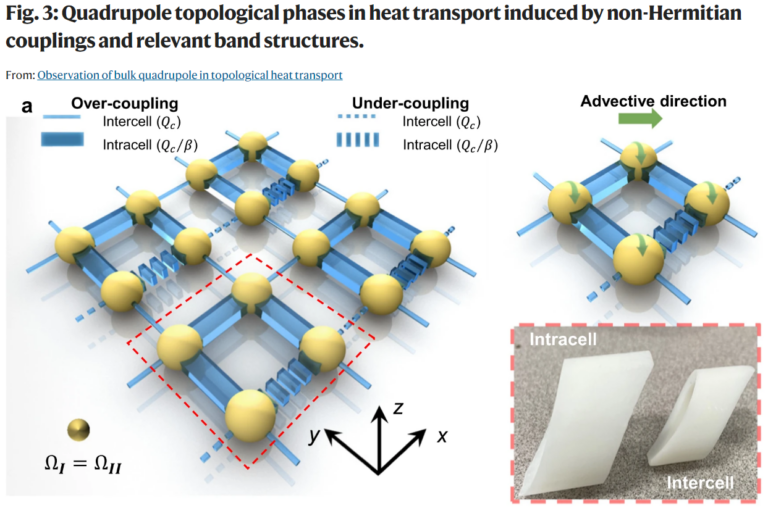
The quantized bulk quadrupole moment has so far revealed a non-trivial boundary state with lower-dimensional topological edge states and in-gap zero-dimensional corner modes. In contrast to photonic implementations, state-of-the-art strategies for topological thermal metamaterials struggle to achieve such higher-order hierarchical features. This is due to the absence of quantized bulk quadrupole moments in thermal diffusion fundamentally prohibiting possible band topology expansions. Here, we report a recipe for generating quantized bulk quadrupole moments in fluid heat transport and observe the quadrupole topological phases in non-Hermitian thermal systems. Our experiments show that both the real- and imaginary-valued bands exhibit the hierarchical features of bulk, gapped edge and in-gap corner states—in stark contrast to the higher-order states observed only on real-valued bands in classical wave fields. Our findings open up unique possibilities for diffusive metamaterial engineering and establish a playground for multipolar topological physics.


Researcher/Author: Guoqiang Xu1,5, Xue Zhou2,5, Shuihua Yang1,5, Jing Wu3,4 & Cheng-Wei Qiu1

Published in: Nature Communications volume | (2023)  14, Article number: :3252

To download the paper, please proceed to: https://www.nature.com/articles/s41467-023-39117-w

DOA estimation for Cylindrical Antenna Arrays using Cramer-Rao Lower Bound Analysis

Publication

The estimation of the direction of arrival (DOA) for receiving cylindrical antenna arrays is presented. The analysis uses the Cramer-Rao lower bound (CRLB), which provides the best unbiased estimation for minimizing the residual noise. First, the CRLB for conformal surfaces is derived. Then the method is applied to case studies to gauge the difference in the performance of cylindrical arrays compared to a planar array. The presented approach can help designers of cylindrical conformal arrays to optimize the antenna performance.

Researcher/Author:  Jiahao Wang, Peizhuo Yang and Koen Mouthaan

Published in:  IEEE

To download the paper, please 

proceed to:  https://ieeexplore.ieee.org/xpl/conhome/10132843/proceeding

Hydrogels for Flexible Electronics

Publication

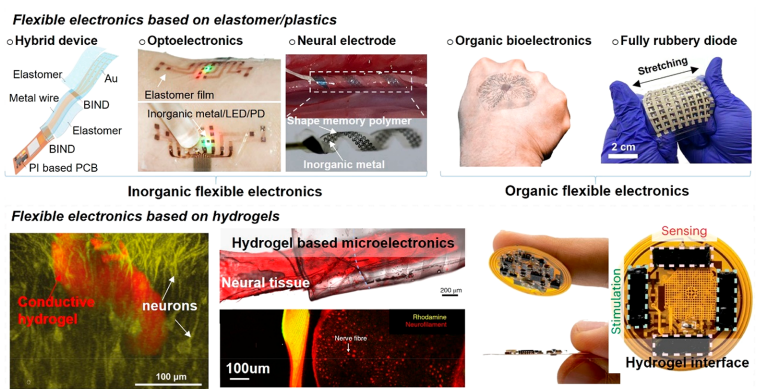
Hydrogels have emerged as promising materials for flexible electronics due to their unique properties, such as high water content, softness, and biocompatibility. In this perspective, we provide an overview of the development of hydrogels for flexible electronics, with a focus on three key aspects: mechanical properties, interfacial adhesion, and conductivity. We discuss the principles of designing high-performance hydrogels and present representative examples of their potential applications in the field of flexible electronics for healthcare. Despite significant progress, several challenges remain, including improving the antifatigue capability, enhancing interfacial adhesion, and balancing water content in wet environments. Additionally, we highlight the importance of considering the hydrogel–cell interactions and the dynamic properties of hydrogels in future research. Looking ahead, the future of hydrogels in flexible electronics is promising, with exciting opportunities on the horizon, but continued investment in research and development is necessary to overcome the remaining challenges

Researcher/Author:  Yingchao Zhang, Yurong TanJiazheng Lao, Huajian Gao and Jing Yu


Publisher:  ACS Nano 2023

To download the paper, click here

DOI:10.1021/acsnano.3c02897

Enhancing Prosthetic Control through High-Fidelity Myoelectric Mapping with Molecular Anchoring Technology

Publication

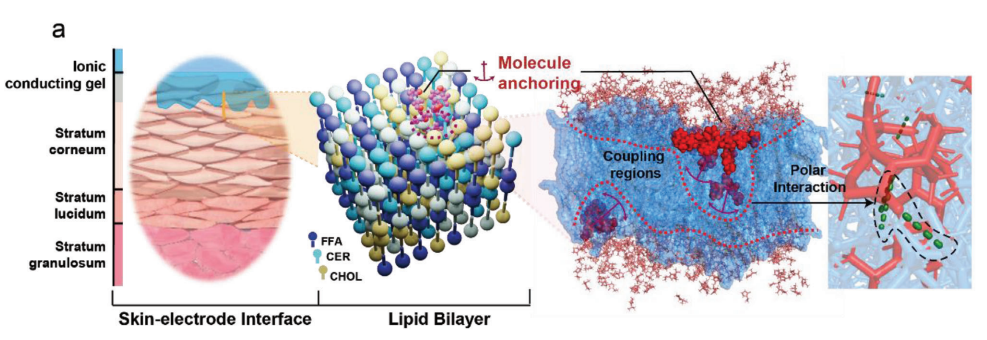
Myoelectric control utilizes electrical signals generated from the voluntary contraction of remaining muscles in an amputee’s stump to operate a prosthesis. Precise and agile control requires low-level myoelectric signals (below 10% of maximum voluntary contraction, MVC) from weak muscle contractions such as phantom finger or wrist movements, but imbalanced
calcium concentration in atrophic skin can distort the signals. This is due to poor ionic–electronic coupling between skin and electrode, which often causes excessive muscle contraction, fatigue, and discomfort during delicate tasks. To overcome this challenge, a new strategy called molecular anchoring is developed to drive hydrophobic molecular effectively interact with and embed into stratum corneum for high coupling regions between ionic fluxes and electronic currents. The use of hydrophobic poly(N-vinyl caprolactam) gel has resulted in an interface impedance of 20 k𝛀, which is 1/100 of a commercial acrylic-based electrode, allowing the detection of ultralow myoelectric signals (≈1.5% MVC) that approach human limits. With this molecular anchoring technology, amputees operate a prosthesis with greater dexterity, as phantom finger and wrist movements are predicted with 97.6% accuracy. This strategy provides the potential for a comfortable human–machine interface when amputees accomplish day-to-day tasks through precise and dexterous myoelectric control.

Researcher/Author: Liang Pan, Hui Wang, Pingao Huang, Xuwei Wu, Zihan Tang, Ying Jiang, Shaobo Ji,
Jinwei Cao, Baohua Ji, Guanglin Li,* Dechang Li,* Zhiming Wang,* and Xiaodong Chen*

Published in: Published online: 2023 IEEE 73rd Electronic Components and Technology Conference

For paper download, goto: 10.1002/adma.202301290

BEOL Compatible Extremely Scaled Bilayer ITO/IGZO Channel FET with High Mobility 106cm 2 /V.s

Publication

In this work, SHINE Thrust 3 research team under the supervision of Prof Aaron Thean of NUS Department of Electrical and Computer Engineering reported an approach to significantly improve the electrical performances of a bottom-gated Indium-Gallium-Zinc oxide (IGZO) FET by introducing a thin layer of tin doped Indium oxide (ITO). The study demonstrated low thermal budget ITO/IGZO FETs, with extremely scaled channel thickness and length of 4 nm and 50 nm respectively, achieving highest ION770μA/μm , highest μeff of 106 cm2/V⋅s , and low SS of 92 mV/decade. Team also investigated the role of ultra-thin ITO in defect passivation to enhance FET performance.

Researcher/Author: Sonu Hooda, Manohar Lal, Chen Chun-Kuei and Shih-Hao Tsai

Published in: 2023 7th IEEE Electron Devices Technology & Manufacturing Conference (EDTM)

For paper download, goto: BEOL Compatible Extremely Scaled Bilayer ITO/IGZO Channel FET with High Mobility 106 cm2/V.s | IEEE Conference Publication | IEEE Xplore


Back-End-of-Line-Compatible Anneal-Free Ferroelectric Field-Effect Transistor

Publication

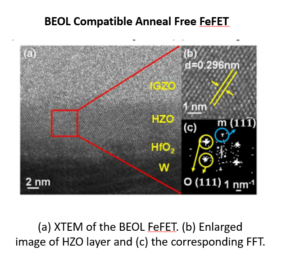
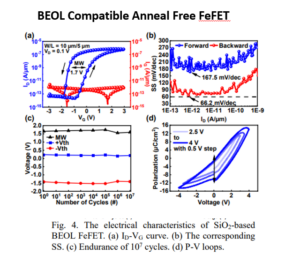
In this work, Shine Thrust 3 researchers under the supersion of principal investigator, Prof Aaron Thean of NUS Department of Electrical and Computer Engineering developed an anneal-free back-end-of-line (BEOL) process for ferroelectric hafnium zirconium oxide (HZO)/indium gallium zinc oxide (IGZO)-based ferroelectric field-effect transistor (FeFET), suitable for in-memory computing. The novel anneal-free BEOL FeFET presented in this work stunningly achieves a competitive performance under a record-low thermal budget. Ultra-low subthreshold swing (SS) of 66.2 mV/dec, large on/off current ratio (ION/IOFF) of >107 , large memory window (MW) of >1.7 V, high endurance of >107 cycles without significant degradation are obtained.


Researcher/Author: Shih-Hao Tsai, Zhonghua Li, Ma Mo Mo Ei Phyu, Zihang Fang

Published in: 2023 7th IEEE Electron Devices Technology & Manufacturing Conference (EDTM)

For paper download, goto: Back-End-of-Line-Compatible Anneal-Free Ferroelectric Field-Effect Transistor (researchgate.net)

Upcoming-event-post-it-note

Dr. Maud Vinet Featured Photo

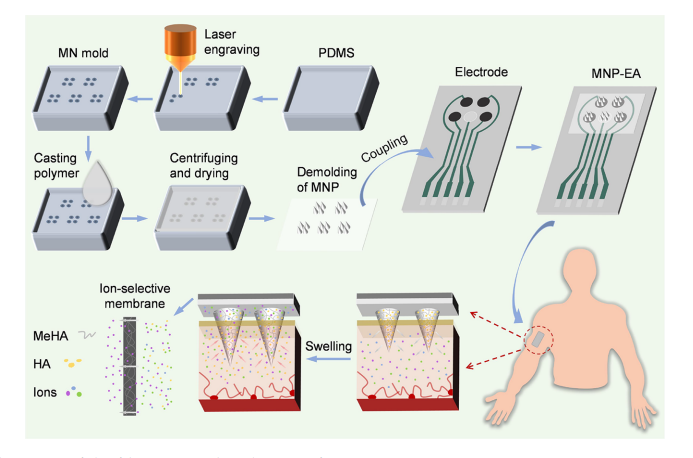
Microneedle-Coupled Epidermal Sensors for In-Situ-Multiplexed Ion Detection in Interstitial Fluids

Publication

Maintaining the concentrations of various ions in body fluids is critical to all living organisms. In this contribution, we designed  a flexible microneedle patch coupled electrode array (MNP-EA) for the in situ multiplexed detection of ion species (Na+ , K+ , Ca2+, and H+ ) in tissue interstitial fluid (ISF). The microneedles (MNs) are mechanically robust for skin or cuticle penetration (0.21 N/needle) and highly swellable to quickly extract sufficient ISF onto the ion-selective
electrochemical electrodes (∼6.87 μL/needle in 5 min). The potentiometric sensor can simultaneously detect these ion species with nearly Nernstian response in the ranges wider enough for diagnosis purposes (Na+ : 0.75−200 mM, K+ : 1−128 mM, Ca2+: 0.25−4.25 mM, pH: 5.5−8.5). The in vivo experiments on mice, humans, and plants demonstrate the feasibility of MNP-EA for timely and convenient diagnosis of ion imbalances with minimal invasiveness. This transdermal sensing platform shall be instrumental to home-based diagnosis and health monitoring of chronic diseases and is also promising for smart agriculture and the study of plant biology

Researcher/Author: Dan Dan ZhuYu Rong TanLe Wen ZhengJia Zheng LaoJi Yang LiuJing Yu and Peng Chen

Published in:  ACS Appl. Mater. Interfaces 2023

To download the paper, please proceed to: 10.1021/acsami.3c00573 

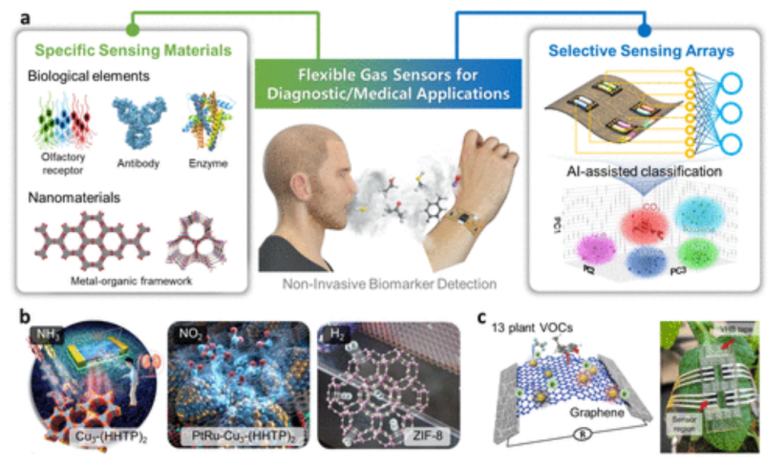
Technology Roadmap for Flexible Sensors

Publication


Humans rely increasingly on sensors to address grand challenges and to improve quality of life in the era of digitalization and big data. For ubiquitous sensing, flexible sensors are developed to overcome the limitations of conventional rigid counterparts. Despite rapid advancement in bench-side research over the last decade, the market adoption of flexible sensors remains limited. To ease and to expedite their deployment, here, we identify bottlenecks hindering the maturation of flexible sensors and propose promising solutions. We first analyze challenges in achieving satisfactory sensing performance for real-world applications and then summarize issues in compatible sensor-biology interfaces, followed by brief discussions on powering and connecting sensor networks. Issues enroute to commercialization and for sustainable growth of the sector are also analyzed, highlighting environmental concerns and emphasizing nontechnical issues such as business, regulatory, and ethical considerations. Additionally, we look at future intelligent flexible sensors. In proposing a comprehensive roadmap, we hope to steer research efforts towards common goals and to guide coordinated development strategies from disparate communities. Through such collaborative efforts, scientific breakthroughs can be made sooner and capitalized for the betterment of humanity.


Researcher/Author:
Yifei Luo, Mohammad Reza Abidian, Jong-yun Ahn, Deji Akinwande, Anne M. Andrews, Markus Antonietti, Zhenan Bao, Magnus Berggren, Christopher A. Berkey, Christopher John Bettinger, Jun Chen, Peng Chen, Wenlong Cheng, Xu Cheng, Seon-Jin Choi, Alex Chortos, Canan Dagdeviren, Reinhold H. Dauskardt, Chong-an Di, Michael D. Dickey, Xiangfeng Duan, Antonio Facchetti, Zhiyong Fan, Yin Fang, Jianyou Feng, Xue Feng, Huajian Gao, Wei Gao, Xiwen Gong, Chuan Fei Guo, Xiaojun Guo, Martin C. Hartel, Zihan He, John S. Ho, Youfan Hu, Qiyao Huang, Yu Huang, Fengwei Huo, Muhammad M. Hussain, Ali Javey, Unyong Jeong, Chen Jiang, Xingyu Jiang, Jiheong Kang, Daniil Karnaushenko, Ali Khademhosseini, Dae-Hyeong Kim, Il-Doo Kim, Dmitry Kireev, Lingxuan Kong, Chengkuo Lee, Nae-Eung Lee, Pooi See Lee, Tae-Woo Lee, Fengyu Li, Jinxing Li, Cuiyuan Liang, Chwee Teck Lim, Yuanjing Lin, Darren J. Lipomi, Jia Liu, Kai Liu, Nan Liu, Ren Liu, Yuxin Liu, Yuxuan Liu, Zhiyuan Liu, Zhuangjian Liu, Xian Jun Loh, Nanshu Lu, Zhisheng Lv, Shlomo Magdassi, George G. Malliaras, Naoji Matsuhisa, Arokia Nathan, Simiao Niu, Jieming Pan, Changhyun Pang, Qibing Pei, Huisheng Peng, Dianpeng Qi, Huaying Ren, John A. Rogers, Aaron Rowe, Oliver G. Schmidt, Tsuyoshi Sekitani, Dae-Gyo Seo, Guozhen Shen, Xing Sheng, Qiongfeng Shi, Takao Someya, Yanlin Song, Eleni Stavrinidou, Meng Su, Xuemei Sun, Kuniharu Takei, Xiao-Ming Tao, Benjamin C. K. Tee, Aaron Voon-Yew Thean, Tran Quang Trung, Changjin Wan, Huiliang Wang, Joseph Wang, Ming Wang, Sihong Wang, Ting Wang, Zhong Lin Wang, Paul S. Weiss, Hanqi Wen, Sheng Xu, Tailin Xu, Hongping Yan, Xuzhou Yan, Hui Yang, Le Yang, Shuaijian Yang, Lan Yin, Cunjiang Yu, Guihua Yu, Jing Yu, Shu-Hong Yu, Xinge Yu, Evgeny Zamburg, Haixia Zhang, Xiangyu Zhang, Xiaosheng ZhangXueji ZhangYihui ZhangYu ZhangSiyuan ZhaoXuanhe Zhao, Yuanjin Zheng, Yu-Qing Zheng, Zijian Zheng, Tao Zhou, Bowen Zhu, Ming Zhu, Rong Zhu, Yangzhi Zhu, Yong Zhu, Guijin Zou, and Xiaodong Chen*

Published in: ACS Nano 2023, 17, 6, 5211–5295

https://doi.org/10.1021/acsnano.2c12606

SHINE 2nd Technical Workshop

Post Event Brief

The second technical workshop of the Singapore Hybrid-Integrated Next-Generation μ-Electronics (SHINE) centre was held on 1-2 March 2023 at Block E7 in the NUS College of Design and Engineering Campus. The event was a 2-day seminar that included a series of invited talks from both academia and industries, as well as a workshop to report on research work by SHINE PIs and researchers of the four research thrusts E7 in the NUS College of Design and Engineering Campus. 

The seminar focused on advancing novel material discoveries for future semiconductor technology while fostering innovation and industrial collaboration. Open to the public, professors, staff, researchers, and industry collaborators, the first day of the event drew in more than 150 participants.

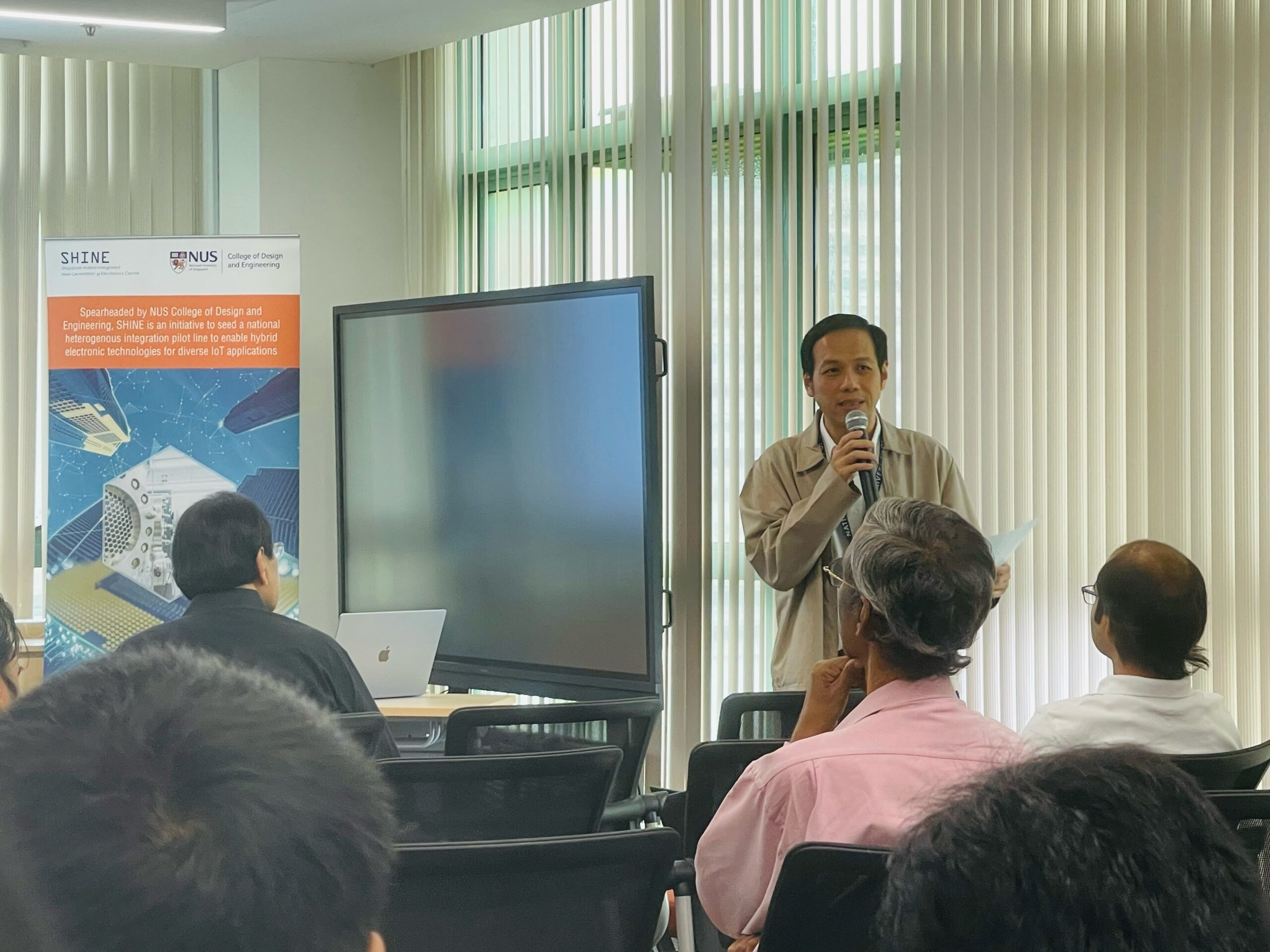
The welcome address was given by Prof Aaron Thean, Director of SHINE, who outlined the motivation behind establishing the SHINE centre and its belief in research strategies specific to R&D and the research ecosystem.

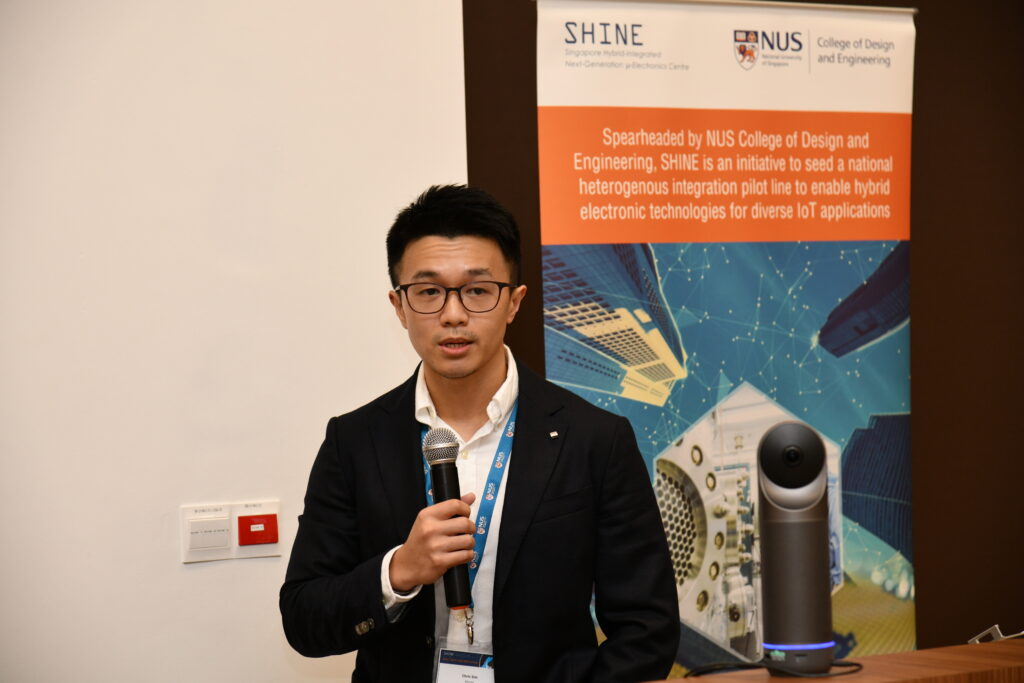
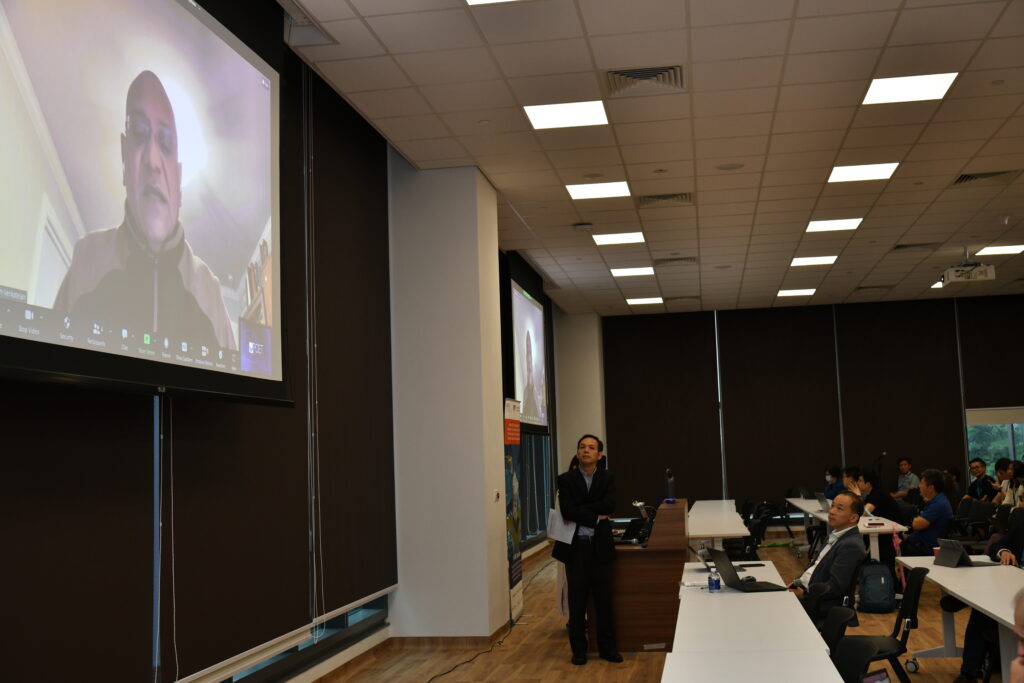
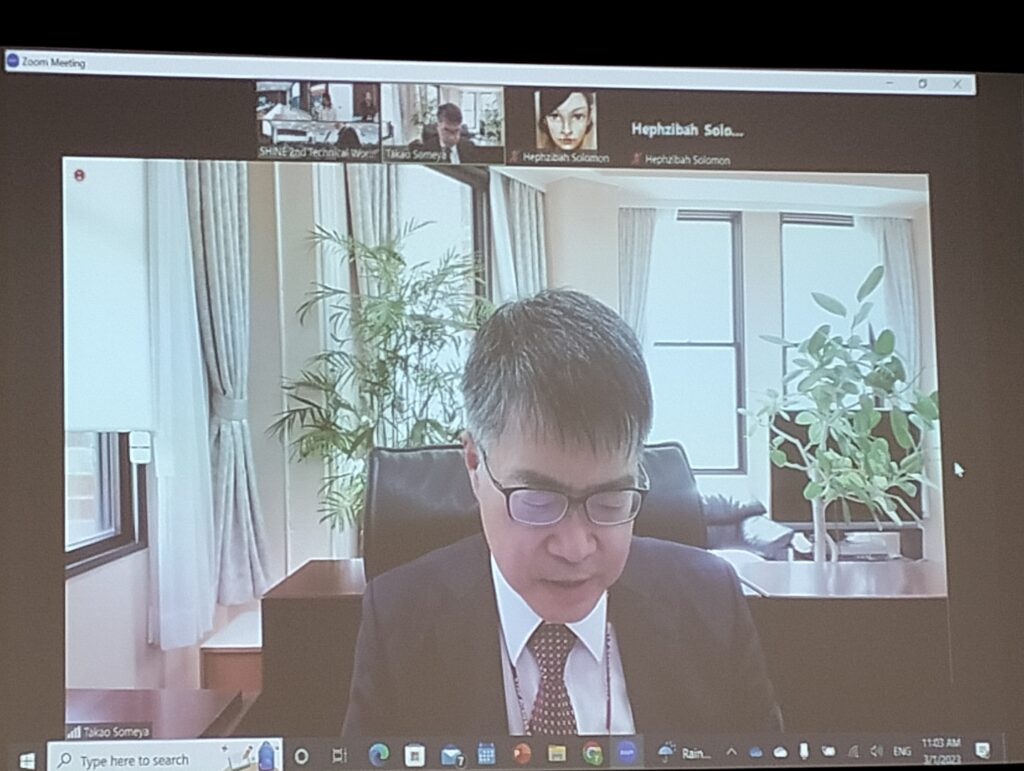
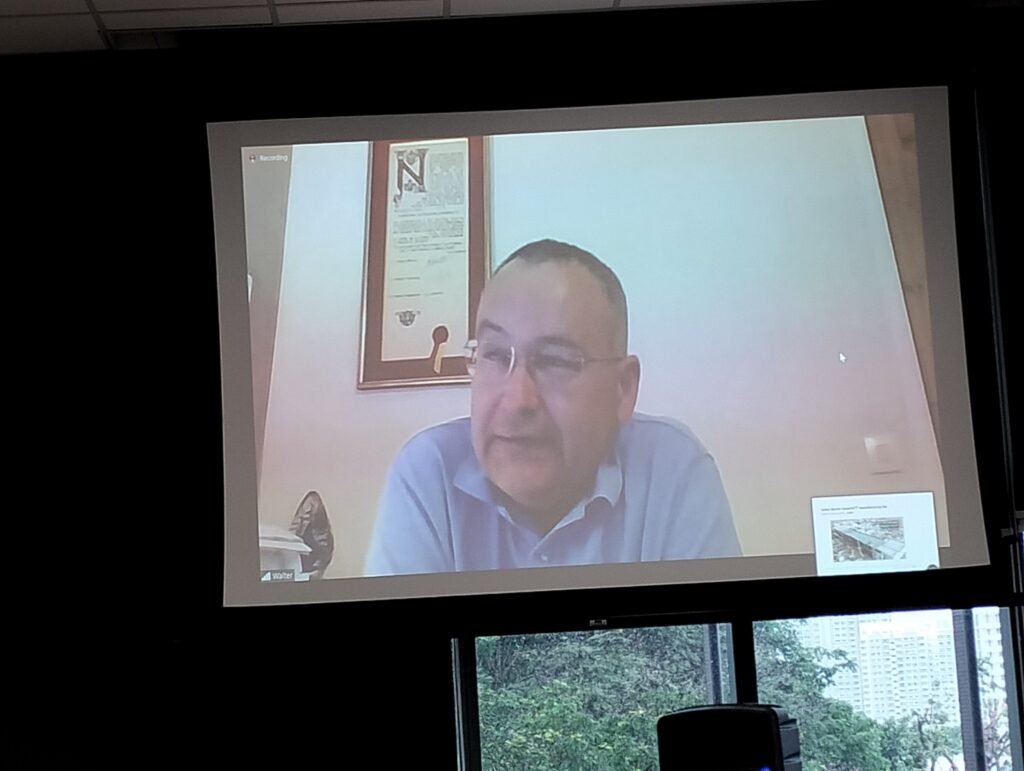
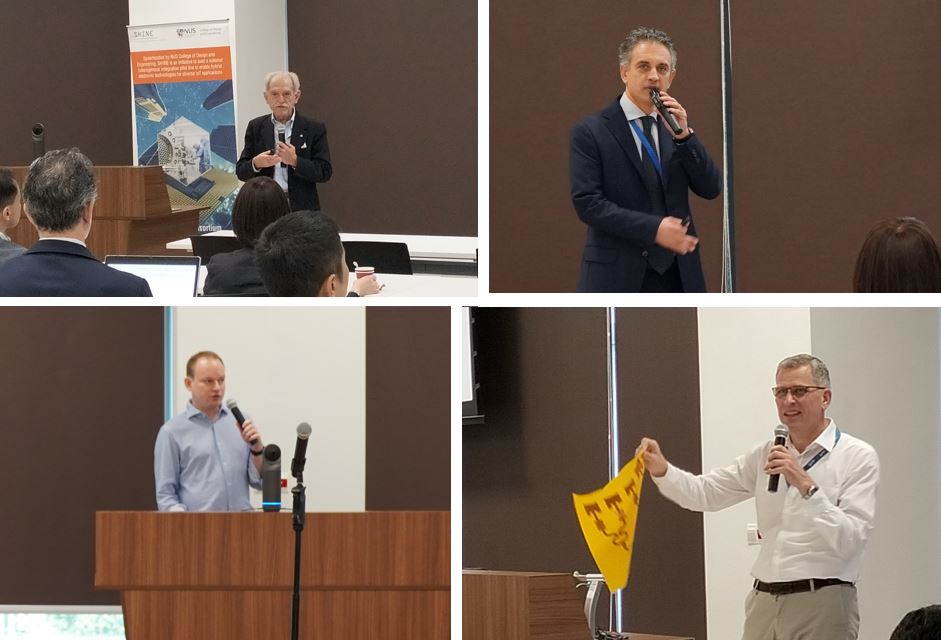
Ten esteemed speakers presented on the first day of the event, including Mr Chris Sim, Director of Packaging Development Engineering of Micron Semiconductor Inc., Dr Suresh Venkatesan, CEO of POET Technologies, Prof Takao Someya of the University of Tokyo, Dr Walter Schwarzenbach, Technology Manager of SOITEC, Dr Desmond Lim, Deputy CEO (Technology) of DSO National Laboratories, Glenn Vandevoorde, CEO of iCana, Prof Aaron Thean of the National University of Singapore, Prof Chen Xiaodong of Nanyang Technological University, Dr Surya Bhattacharya Director, System-in-Package of A*STAR IME, and Prof Alberto Sangiovanni-Vincentelli University of California, Berkeley.

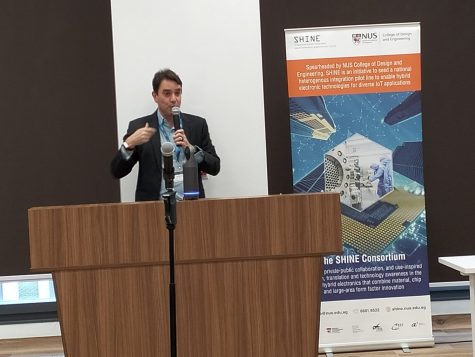
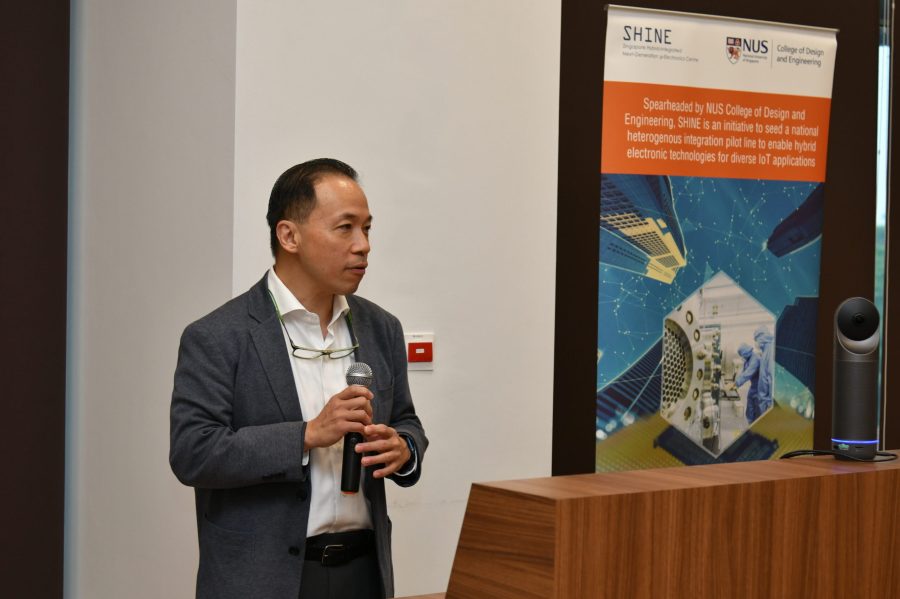
Prof Aaron Thean_Talk

The opening keynote address by Mr Chris Sim discussed the challenges and changes necessary to enable growth and expansion in the industry over the upcoming decade. He emphasized the essential supporting elements and leading approaches required for such enablement. He also highlighted the projects on digital twins SHINE is working on with industries like Micron and AMD.

Dr Suresh Venkatesan’s talk highlighted the growth in photonics-based technologies and the need for an integration solution to “semiconductorize” photonics using wafer-level semiconductor processing. He discussed the key challenges in photonics and established hybrid integration as the most cost-effective deployable solution with its ability to scale and adaptability.

Chris Sim_Opening Key Note

Prof Takao Someya discussed recent advancements in nanomesh electrodes that can be applied directly onto the skin for smart apparel, sensor patch and skin electronics.

Dr Walter Schwarzenbach introduced SmartSiCTM, a solution meeting requirements for power devices, including high-quality and ultra-low resistivity materials.

Dr Desmond Lim shared a case study of miniaturization and the first locally developed synthetic aperture radar (SAR) Microsatellite, NeuSAR, which he said had been a success.

Dr Walter_Soitec
Desmond_DSO

Glenn Vandevoorde followed on starting his talk by introducing iCana, an IC design start-up, and discussing the challenges in RFIC design, including the need for higher power, wider bandwidth, and better efficiency for 5G infrastructure. He emphasized iCana’s focus on developing a complete range of products for 5G infrastructure for FR1 and FR2, and its roadmap for addressing these challenges with novel devices, transcending traditional design trade-offs. Glenn also highlighted the importance of a world-class design team and branding with a deepened understanding of three key challenges, funding, supply chain, and people, and five possible means to boost semiconductor start-ups in Singapore.

Prof Aaron Thean then discussed the increasing emphasis on material innovations, which offer new opportunities, and the motivation behind SHINE, which has a strategy and approaches well-suited for value-adding Singapore’s industry landscape. He emphasized the continuation of circuit density scaling by enabling Design Technology Co-optimization (DTCO) with new computing systems that drive the co-integration of logic and memory. He shared the roadmap on flexible/soft electronics development with increased applications scaling towards diverse sensing power sources, slower but more sophisticated ICs, and hybrid-integrated electronics and heterogeneous integration with the convergence of material innovations. Converging these approaches, SHINE contributes to smart surface-aware remote-sensing skin.

Dr Glenn
Aaron Thean

Prof Chen Xiaodong focused on the interconnection and packaging of soft electronics, which are flexible, stretchable, and biocompatible designs, bringing significant changes in electronic devices such as wearable tech, medical devices, and IoT. He shared the technology roadmap of stretchable electronics and discussed the materials, processes, and design strategies for modular connection, leading to a universal interface that can connect soft, rigid, and encapsulation modules efficiently to form reliable, robust, and highly flexible devices. Prof Chen also delved into challenges and opportunities in soft electronics packaging, such as ensuring environmental stability, mechanical durability, and electrical performance while integrating passive and active components.

Dr Bhattacharya presented on System-In-Package (SiP) enabled by heterogeneous integration, allowing the semiconductor industry to create advanced SiP solutions that optimize power-performance-form factor-cost while addressing diverse market requirements for 5G, AI, and HPC market applications. He provided an overview of the challenges, such as thermal cooling, and solutions for designing and manufacturing heterogeneous integrated systems in a package while including developed SiP solutions with versatile platforms: embedded HD FOWLP, 2.5D interposer, and 3D integrated chiplet systems that demonstrated wafer level heterogeneous integration of chiplets for 5G/AI/HPC applications.

Prof Chen Xiadong

Prof Alberto’s closing keynote discussed the challenges in designing semiconductors for the lack of designers and inherent issues in product development involving billions of transistors, especially with chiplets intensifying complexities in the design process. He highlighted the need for a holistic consideration of sensors, actuators, communication, and computing elements for integrated system design, with critical decisions on integrated versus multi-chip solutions. With an increasing interest in AI components among computing elements, he also addressed the crucial trade-offs between analog and digital solutions for AI chips while evaluating the general directions of integrated system design such as module-level 3D-IC partitioning and AI computing blocs.

Prof Alberto_Shine closing key note

We were thrilled to see experts from academia and industry generously sharing their research inputs and outcomes, and exchanging innovative ideas for the advancement of the semiconductor industry during the 2-day SHINE technical seminar and workshop. The first day of the event successfully concluded at 5 pm.

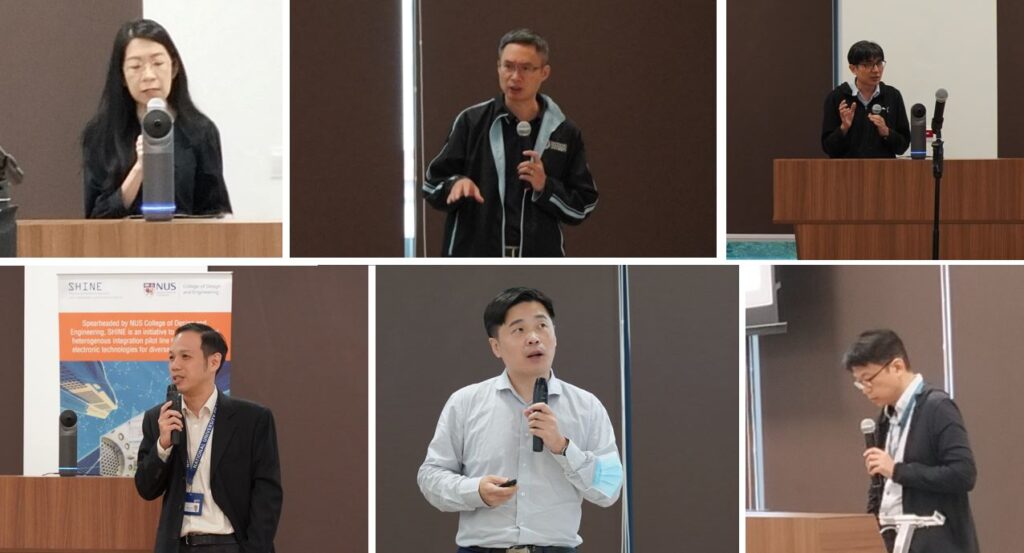
The second day of the event, which was restricted to SHINE consortium members, focused on a workshop and saw about 90 attendees. Prof Lim, Programme Director of SHINE, recapped the program’s overview and updated the progress of the program since the establishment of the SHINE center on 30 March 2021. A total of nine SHINE PIs and fellow senior researchers shared their ideas and findings on the four thrusts of research: Functional Materials, Processing and Sensors; Elastomeric Composites for Thermal Interface Materials; Design and Development of the Chiplet-based Heterogeneous Integration on Silicon Interposer for an RF Transceiver; Thermal Management Solution for Flexible Antenna System; Design of Flexible Phased Arrays in SHINE; A Design Methodology for Chiplets: Towards on-, over-the- and across-Chiplet Specialization for High-Mix Low-Volume Heterogeneous Systems; and Additive Manufacturing of Nanomaterial for Thermal Management of Integrated Microelectronics.

The workshop was dynamic and interactive, with participants actively raising questions and engaging in productive discussions. The workshop concluded smoothly at 5 pm, leaving everyone with new insights and ideas to take forward in their work.

Overall, the 2-day SHINE technical seminar and workshop was a success, and we invite everyone to stay tuned for more updates on SHINE’s cutting-edge research in hybrid-integrated next-generation μ-electronics.

For speaker biography and event e-booklet, click here.